
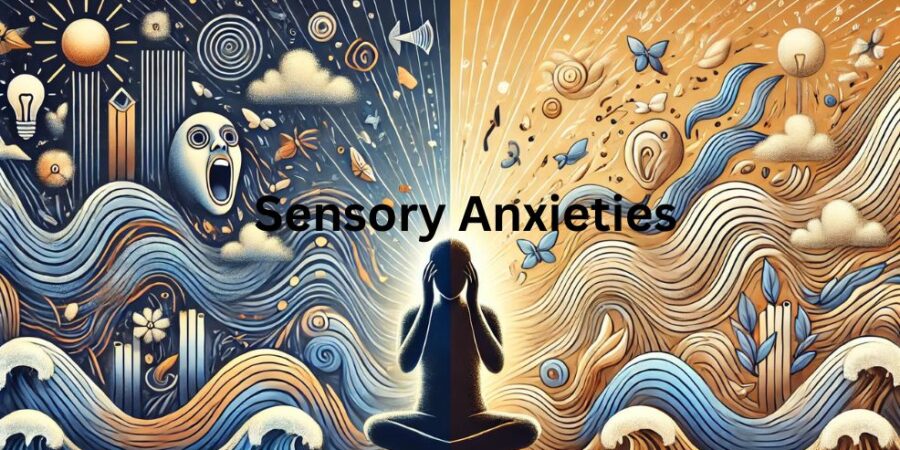
Sensory anxieties are an often misunderstood yet deeply impactful aspect of our emotional and physical well-being. For many individuals, the world can feel overwhelming not because of inner turmoil or psychological distress, but due to external sensory input that feels too intense, erratic, or uncontrollable. Whether it’s the hum of fluorescent lights, the roughness of a clothing tag, or the sudden burst of a loud sound, sensory stimuli can trigger significant anxiety.
In this article, we’ll explore what sensory anxiety is, break down the different types, consider potential benefits and drawbacks, and most importantly, explain sensory and sensory deprivation experiences on emotions.market can offer relief and help make life better for those who experience these heightened sensitivities.
What is Sensory Anxiety?
Sensory anxiety refers to anxiety symptoms triggered by sensory input. While it is often associated with conditions such as Autism Spectrum Disorder (ASD), ADHD, PTSD, and sensory processing disorder (SPD), sensory anxiety can affect anyone, especially in today’s overstimulating environments.
People with sensory anxiety may experience heightened distress in response to particular sounds, textures, lights, smells, or movements. This discomfort can lead to irritability, avoidance behaviours, panic attacks, and difficulties in social or professional settings.
Types of Sensory Anxieties
Sensory anxiety manifests in diverse ways, depending on the sensory system being overwhelmed. Understanding the different types can help individuals recognize their triggers and seek appropriate coping mechanisms.
1. Auditory Sensory Anxiety
This type involves hypersensitivity to sound. Everyday noises—like a ticking clock, chatter in a café, or a siren—can feel unbearable. It may cause individuals to become irritable, anxious, or even physically distressed.
2. Visual Sensory Anxiety
Bright lights, flickering screens, or cluttered environments can be overwhelming for those with visual sensory anxiety. This overstimulation can lead to migraines, fatigue, and emotional shutdowns.
3. Tactile Sensory Anxiety
Touch-related sensitivity includes discomfort with certain fabrics, tags, temperatures, or even unexpected physical contact. It can cause withdrawal, irritability, or aversion to daily activities such as dressing or grooming.
4. Olfactory Sensory Anxiety
Strong or unfamiliar smells, such as perfume, food, or cleaning chemicals, can trigger nausea, headaches, or panic. People with olfactory anxiety may avoid public places or social gatherings.
5. Gustatory Sensory Anxiety
Sensitivity to taste or texture in foods can lead to restricted eating, anxiety around meals, and social discomfort. This is common among children, individuals with eating disorders, or those on the autism spectrum.
6. Vestibular Sensory Anxiety
This relates to the sense of balance and movement. Activities such as climbing stairs, riding in a car, or being in a crowded space can provoke intense unease or dizziness.
7. Proprioceptive Sensory Anxiety
Proprioception is the sense of body position and movement. Disruption in this area can cause a lack of coordination, discomfort with physical tasks, or feeling detached from one’s body.
The Hidden Benefits of Sensory Anxiety
Though often seen as a disadvantage, sensory anxiety can come with certain hidden benefits—especially when understood and managed with care.
1. Heightened Awareness
People with sensory anxiety often have exceptional awareness of their surroundings. This can lead to increased creativity, intuition, and emotional intelligence, as their sensitivity allows them to pick up on subtle details that others may overlook.
2. Protective Instincts
Sensory anxiety can act as a biological warning system. It helps individuals notice environmental dangers quickly—such as fire alarms, foul smells, or aggressive voices—enhancing safety and survival.
3. Depth of Experience
The same sensitivity that causes distress can also create deeper emotional and sensory experiences. Music may feel more profound, touch more comforting, or aromas more evocative.
Potential Drawbacks of Sensory Anxiety
Despite these potential benefits, sensory anxiety can have serious drawbacks that impact emotional well-being and daily functioning.
1. Social Isolation
Avoiding overstimulating environments can lead to withdrawal from social events, work, or school—leading to feelings of loneliness and reduced self-esteem.
2. Chronic Stress
Consistently facing distressing stimuli can keep the body in a fight-or-flight state, contributing to long-term stress, fatigue, and health problems.
3. Emotional Dysregulation
Because sensory anxiety can trigger overwhelming emotions, individuals may struggle with sudden outbursts, shutdowns, or difficulty articulating their needs.
4. Impacts on Learning and Productivity
Children and adults alike may find it difficult to concentrate or retain information in environments that are too stimulating, affecting performance and confidence.
How Sensory Experiences Can Relieve Sensory Anxiety
At emotions.market, our range of sensory experiences provides a supportive and structured environment for exploring, understanding, and gently challenging sensory boundaries. Carefully curated sensory experiences can desensitize discomfort, encourage emotional regulation, and promote self-awareness.
1. Gradual Exposure in a Safe Setting
Participating in controlled sensory experiences allows individuals to face stimuli that typically provoke anxiety, but in a way that’s non-threatening and empowering. For example, a gentle sound bath can help someone sensitive to auditory input begin to recalibrate their tolerance for sound.
2. Empowerment Through Choice
Unlike real-world environments where stimuli are unpredictable, sensory experiences at emotions.market are client-centered and customizable. This gives participants a sense of control, which is crucial for reducing anxiety.
3. Engaging the Soothing Senses
Not all sensory experiences involve intense input. Some involve calming or neutral stimuli that soothe the nervous system—such as warm textures, calming visuals, or familiar scents—helping to balance overstimulated sensory systems.
4. Enhanced Mindfulness and Body Awareness
Activities like mindful touch therapy, aroma exploration, or tactile play can improve proprioception and interoception, supporting the development of emotional regulation skills.
The Power of Sensory Deprivation Experiences
While some need gentle stimulation, others find relief through sensory deprivation. For those overwhelmed by constant sensory input, structured deprivation offers a moment of peace and stillness, reducing the strain on their nervous systems.
Explore sensory deprivation experiences →
1. Floatation Therapy or Stillness Experiences
By eliminating external stimuli—sound, light, touch—sensory deprivation experiences allow the mind to reset. It’s like hitting the “mute” button on the world, which can be incredibly healing for someone dealing with sensory overload.
2. Enhanced Emotional Clarity
Without external distractions, individuals often become more attuned to their inner emotional states. This can lead to valuable insights and a renewed sense of self-understanding.
3. Resetting the Nervous System
Sensory deprivation can support the parasympathetic nervous system, leading to decreased heart rate, lowered cortisol levels, and overall reduced anxiety. This kind of deep rest can replenish emotional resilience.
4. Developing Tolerance Gently
After a deprivation experience, reintroduction to the world’s stimuli can feel less intense. Regular sensory deprivation can therefore increase tolerance for everyday sensory challenges.
Making Life Better with Sensory Support on Emotions.Market
At emotions.market, we believe emotional well-being is deeply tied to how we engage with our senses. Whether you’re highly sensitive or simply looking to expand your sensory awareness, our platform offers experiences designed to meet you where you are.
Through mindful, playful, and restorative interactions with sensory input, many individuals find a new appreciation for their bodies and environments. What once felt overwhelming can become manageable—or even enjoyable—with the right support and structure.
Final Thoughts
Sensory anxieties are real, valid, and deeply personal. But they don’t have to define one’s quality of life. By learning to understand the different types of sensory sensitivities—and engaging in safe, exploratory experiences—we can transform discomfort into empowerment.
Whether through gentle sensory immersion or calming sensory deprivation, emotions.market offers a pathway to emotional relief, personal growth, and renewed confidence. Our sensory-based offerings allow people to safely reconnect with their bodies, their environments, and themselves.
If you or someone you know is struggling with sensory anxiety, know that you’re not alone—and that support is just a click away.

Leave a Reply