
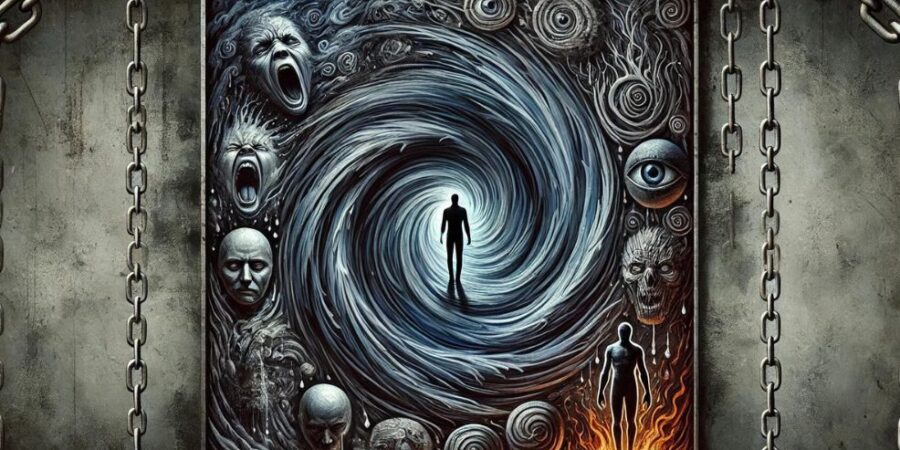
The Nature of the Negative Emotional Spiral
The negative emotional spiral is a psychological phenomenon where an individual’s negative emotions intensify over time, leading to a cycle of increasing emotional distress. This spiral often begins with a single negative thought or event, which triggers more negative thoughts and emotions, creating a feedback loop that can be challenging to break.
Negative emotional spirals are insidious because they often start subtly. A minor setback, a disappointing interaction, or a fleeting moment of self-doubt can be enough to set the spiral in motion. As these feelings build upon one another, they can lead to significant emotional distress, impacting one’s mental health and overall well-being.
Types of Negative Emotions
Negative emotions are varied and can manifest in different ways depending on the individual and the situation. Understanding the different types of negative emotions is crucial in recognizing and addressing the negative emotional spiral.
1. Anxiety
Anxiety is a feeling of unease, such as worry or fear, that can be mild or severe. It often occurs in response to stress and can lead to physical symptoms like increased heart rate, sweating, and trembling. Chronic anxiety can be debilitating, affecting one’s ability to function in daily life.
2. Sadness
Sadness is a natural response to loss, disappointment, or other difficult situations. While it is normal to feel sad from time to time, prolonged sadness can lead to depression, a more serious mental health condition that requires professional intervention.
3. Anger
Anger is a powerful emotion that can arise from perceived threats, injustices, or frustrations. While anger can be a motivating force, unchecked anger can lead to destructive behaviours and strained relationships.
4. Guilt
Guilt is the feeling of remorse or responsibility for a perceived wrongdoing. While guilt can prompt individuals to make amends, excessive guilt can be harmful, leading to self-blame and low self-esteem.
5. Fear
Fear is an emotional response to a perceived threat. It can be a helpful survival mechanism, but when fear becomes chronic, it can lead to anxiety disorders and hinder one’s ability to enjoy life.
6. Shame
Shame is a painful feeling of humiliation or distress caused by the consciousness of wrong or foolish behaviour. It can lead to a diminished sense of self-worth and can be particularly challenging to overcome.
The Importance of Dealing with Negative Emotional Spirals
Addressing negative emotional spirals is vital for maintaining mental health and well-being. Here are several reasons why it’s important to tackle these spirals head-on:
1. Preventing Escalation
Negative emotional spirals can quickly escalate, leading to more severe mental health issues such as depression or anxiety disorders. Early intervention can prevent these emotions from worsening.
2. Improving Relationships
Negative emotions can strain relationships with family, friends, and colleagues. By addressing these emotions, individuals can improve their interpersonal interactions and build healthier relationships.
3. Enhancing Quality of Life
Chronic negative emotions can diminish one’s quality of life, making it difficult to enjoy everyday activities. By managing these emotions, individuals can lead more fulfilling and enjoyable lives.
4. Promoting Physical Health
Negative emotions are linked to various physical health issues, including heart disease, high blood pressure, and weakened immune function. Managing negative emotions can contribute to better overall health.
5. Building Resilience
Learning to cope with negative emotions effectively can build emotional resilience, equipping individuals to handle future stressors more effectively.
How Experiences Can Help Deal with Negative Emotional Spirals
Experiences, particularly those designed to engage the senses and emotions, can be powerful tools in combating negative emotional spirals. At Emotions Market, a variety of experiences are available that can help individuals manage their emotions and break free from negative cycles.
1. Sensory Experiences
Engaging the senses can be an effective way to shift focus away from negative thoughts and emotions. Sensory experiences, such as aromatherapy, sound therapy, or tactile activities, can provide immediate relief and create a sense of calm and relaxation.
2. Creative Activities
Creative activities, such as painting, music, or writing, can serve as emotional outlets, allowing individuals to express and process their emotions in a healthy way. These activities can also provide a sense of accomplishment and boost self-esteem.
3. Mindfulness and Meditation
Mindfulness and meditation experiences can help individuals become more aware of their thoughts and emotions, enabling them to interrupt negative spirals. These practices promote relaxation, reduce stress, and enhance emotional regulation.
4. Physical Activities
Physical activities, such as yoga, dance, or nature walks, can help release built-up tension and improve mood. Exercise is known to increase the production of endorphins, the body’s natural mood lifters.
5. Therapeutic Experiences
Therapeutic experiences, such as counselling sessions, support groups, or life coaching, provide structured environments for individuals to explore their emotions and develop coping strategies. Professional guidance can be invaluable in breaking negative emotional spirals.
6. Social Connections
Engaging in social experiences, such as group activities or community events, can combat feelings of loneliness and isolation. Building a supportive network of friends and peers can provide emotional support and reduce the impact of negative emotions.
Examples of Beneficial Experiences from Emotions Market
Emotions Market offers a diverse range of experiences that cater to different emotional needs. Here are a few examples of how these experiences can help individuals deal with negative emotional spirals:
1. Aromatherapy Workshop
An aromatherapy workshop can teach individuals how to use essential oils to promote relaxation and reduce anxiety. The calming scents can help interrupt negative thought patterns and create a soothing environment.
2. Painting Class
A painting class provides a creative outlet for expressing emotions. The act of creating art can be therapeutic and can help individuals process their feelings in a constructive manner.
3. Guided Meditation Session
A guided meditation session can help individuals practice mindfulness and develop techniques for managing stress and anxiety. This experience promotes mental clarity and emotional balance.
4. Yoga Retreat
A yoga retreat combines physical activity with mindfulness practices, offering a holistic approach to emotional well-being. The combination of movement and meditation can help release negative emotions and promote a sense of peace.
5. Counselling Session
A one-on-one counselling session with a professional therapist can provide personalized support and strategies for managing negative emotions. This experience offers a safe space to explore and address emotional challenges.
6. Community Volunteering
Participating in community volunteering can provide a sense of purpose and connection. Helping others can boost mood and self-esteem, counteracting feelings of sadness or worthlessness.
Conclusion
The negative emotional spiral is a challenging psychological phenomenon that can significantly impact one’s mental and physical health. Recognizing and addressing negative emotions early is crucial for preventing escalation and maintaining overall well-being. By engaging in sensory, creative, physical, therapeutic, and social experiences, individuals can find effective ways to manage their emotions and break free from negative cycles.
At Emotions Market, a wide range of experiences are available to support emotional health. Whether through aromatherapy, art, meditation, yoga, counselling, or volunteering, there are numerous opportunities to combat negative emotional spirals and enhance quality of life. Embracing these experiences can lead to greater emotional resilience, healthier relationships, and a more fulfilling life.

Leave a Reply