
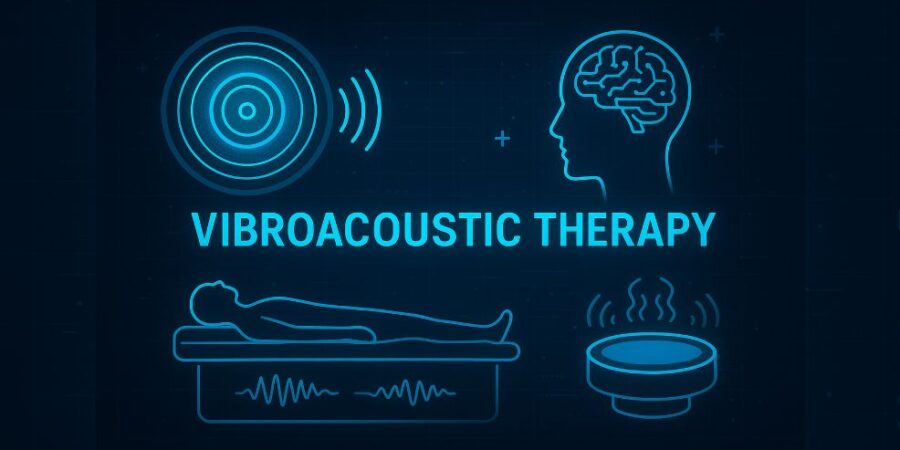
In the modern world, where fast pacing and constant sensory input often leave us feeling tense, overwhelmed, or detached from ourselves, there’s growing interest in non-traditional therapies that soothe both body and mind. One such approach is vibroacoustic therapy — a gentle yet powerful technique that uses low-frequency vibrations, often embedded in sound and music, to facilitate healing, relaxation, and emotional balance. In this article, we’ll explore what vibroacoustic therapy really means, the different forms it can take, its potential benefits and drawbacks, and how you might weave vibroacoustic “music experiences” into your life to support emotional health and personal growth.
What Is Vibroacoustic Therapy?
At its core, vibroacoustic therapy (VAT) is a form of sound-based therapy that involves using low-frequency vibrations to directly stimulate the body. Unlike traditional listening experiences — where sound waves are perceived by the ears and processed mentally — vibroacoustic therapy allows sound to be felt physically. The vibrations can resonate through the bones, muscles, and fluids of the body, creating a sensation of vibration, subtle movement, or even a gentle massage from within.
Because the effect is both auditory and tactile, vibroacoustic therapy often taps into deeper layers of our nervous system: activating the body’s innate response to vibration, modulation, and rhythm. That can lead to physiological changes such as improved circulation, muscle relaxation, and stimulation of the natural processes that govern stress response. On an emotional level, it can evoke feelings of safety, grounding, and inner calm.
But vibroacoustic therapy is not a single “machine” or “format.” Instead, it’s a spectrum of practices, each with its own flavour — and strengths.
Exploring the Different Types of Vibroacoustic Therapy
Vibroacoustic therapy has evolved over decades, and practitioners have developed various forms to suit different needs. Here are the main types you may encounter:
1. Vibroacoustic Chairs and Beds
Perhaps the most common form of vibroacoustic therapy involves specially designed chairs, recliners, or beds equipped with built-in transducers. These transducers convert low-frequency sound — often between 30 Hz to 120 Hz — into mechanical vibrations that travel through the seating surface. During a session, a person lies or sits on this surface, while music or specially composed soundscapes vibrate through their body.
These sessions are usually passive: you simply relax, breathe, and allow the vibrations to “wash over you.” Because the vibrations are distributed across large parts of the body, this format is well-suited for full-body relaxation, stress release, or recovery after physical exertion.
2. Localized Devices (e.g. Vests, Mats, Seat Cushions)
For people who may not have access to full chairs or beds designed for vibroacoustic therapy, portable or smaller-scale devices exist. These may include vibrating seat cushions, mats, or wearable vests that target specific parts of the body — such as the pelvis, lower back, chest, or shoulders.
These devices are often used in therapeutic or home settings for targeted relief — for example, to ease lower back tension, calm the diaphragm and chest (which may influence breathing and heart rate), or help with muscle stiffness. Because they are smaller, they’re also easier to integrate into everyday routines.
3. Water-Based Vibroacoustic Therapy
Less commonly known, but equally intriguing, is water-based vibroacoustic therapy. In these setups, underwater transducers send vibrations through the water, allowing the whole body — submerged or partially immersed — to feel the sound. The buoyancy and fluid medium of water can soften the sensation and make the experience deeply meditative.
For many, the combination of gentle water immersion and low-frequency vibrations evokes a primal sense of being cradled or “rocked,” inducing profound relaxation, releasing muscle tension, and calming the mind.
4. Wearable & Portable Sound–Vibration Devices (e.g. Bone Conduction, Haptic Wearables)
Emerging technologies have introduced wearable devices — such as haptic vests, bone-conduction headphones, or wearable pads — that deliver low-frequency vibrations directly to the body. These are often used in combination with music specially designed for vibroacoustic therapy. Because they are portable, they offer flexibility: you might use them while meditating, resting, lying in bed, or even during gentle movement practices like yoga or stretching.
While these devices may not offer the full-body resonance of a chair or bed, they provide accessibility and convenience — helping to bring vibroacoustic benefits into daily life.
Benefits of Vibroacoustic Therapy
Deep Physical Relaxation and Stress Relief
One of the most immediate effects of vibroacoustic therapy is physical relaxation. The low-frequency vibrations can loosen tense muscles, release knots and stiffness, and encourage blood and lymphatic circulation. This can help relieve long-held muscular tension, improve flexibility, and support recovery — whether from physical exertion or chronic stress.
In addition, the gentle rhythmic vibration often triggers a parasympathetic response — the “rest and digest” mode of the nervous system. That shift can slow down the heart rate, ease breathing, lower blood pressure, and calm the body’s stress responses. Over time, regular sessions can lead to a more resilient nervous system and reduce the habitual “fight or flight” activation many people live under.
Emotional Regulation and Mood Enhancement
Vibroacoustic therapy can be surprisingly effective at helping people regulate emotions. As the vibrations wash through the body, they can create a sense of grounding and embodiment — connecting mind and body in a way that many find restorative.
Many users report a heightened sense of safety, comfort, and emotional release: feelings of sadness, anger, anxiety, or grief may soften, giving way to calm, spaciousness, or even uplift. Others may feel an increase in clarity, focus, or a renewed sense of balance.
Because vibroacoustic therapy bypasses the analytical mind and communicates directly with the body’s sensory system, it can offer relief when traditional talk therapy or meditation feels difficult — providing an embodied route to emotional healing.
Improved Sleep and Recovery
Thanks to VAT’s calming, body-resetting effects, many people find that sessions improve sleep quality. Relaxed muscles, slowed heart rate, and a calm nervous system make it easier to drift into deep sleep. For people struggling with insomnia, stress-induced sleep disturbance, or chronic fatigue, this can be a real game-changer.
In addition, when used post-exercise or after physically demanding periods (like long hours of work, travel, or caretaking), vibroacoustic therapy can accelerate recovery — reducing soreness, loosening muscle tension, and helping the body recharge more efficiently.
Heightened Mind–Body Awareness and Presence
Because vibroacoustic therapy encourages embodiment — the sense of being fully in your body — many people find their awareness of internal sensations, rhythm, and breathing improves. That heightened body-mind connection can enhance self-awareness, help to release emotional blockages, or even support creative flow. For artists and creatives, this can translate into deeper insight or inspiration; for others, a renewed connection to their body’s subtle signals (stress, fatigue, comfort) — enabling more mindful living.
Complementary Support for Mental Health
While vibroacoustic therapy is not a replacement for professional mental health care, it can serve as a valuable supportive tool. People with anxiety, mild depression, or post-stress burnout sometimes find relief in the calming, mood-balancing effects of vibroacoustic therapy — especially when traditional methods haven’t offered relief.
Because vibroacoustic therapy does not demand verbal expression or heavy cognitive processing, it can open a gentle, non-demanding path to emotional release — particularly helpful for those who find talking about their feelings difficult.
How Vibroacoustic Therapy Influences Emotional State
The emotional impact of vibroacoustic therapy can often feel subtle yet profound. Here’s how the process tends to affect inner states:
- Vibrational resonance reaches deep-seated tensions and stored emotions: Many people hold unresolved feelings or stress in their bodies — in tight shoulders, aching backs, clenched jaws. VAT’s vibrations can help metabolize or “unlock” these stored emotions, bringing relief, release, or even clarity.
- Restoring equilibrium to the nervous system: Our nervous system often toggles between states of fight-or-flight (sympathetic) and calm (parasympathetic). Vibroacoustic therapy can help restore balance by activating parasympathetic responses — leading to calmer breathing, reduced cortisol levels, and a greater sense of safety. This, in turn, can open space for more positive emotions: peace, ease, acceptance.
- Enhancing sense of presence and embodiment: In a culture that glorifies “doing” over “being,” vibroacoustic therapy encourages the opposite: presence over productivity. The felt sensations ground you in your body; your awareness moves from thoughts/rumination to bodily experience. That groundedness often brings a deeper sense of being alive and connected — which many describe as joy, calmness, or inner fullness.
- Gentle access to subconscious or suppressed feelings: Because vibroacoustic therapy works on sensory and physical levels, it can sometimes bypass mental filters or defenses. Users may experience emotions bubbling up from the subconscious; unresolved grief, old anxieties, or inner tensions may surface, making it possible to feel, process, and release them — often with greater ease than through conscious reflection alone.
- Mood uplift and emotional resilience: Over time, repeated vibroacoustic therapy sessions can help build emotional resilience. The regular reset — physical, mental, emotional — makes it easier to handle stress, setbacks, and emotional turbulence in daily life.
Potential Drawbacks and Considerations
Although vibroacoustic therapy offers many benefits, it’s not a one-size-fits-all panacea. As with any wellness tool, there are caveats.
Overstimulation or Discomfort
For some individuals, especially those not accustomed to deep bodily sensations, the vibrations may feel overwhelming or even unpleasant at first. Sensitive people might feel dizzy, disoriented, or strangely detached. It’s not uncommon for early sessions to bring unexpected emotional content — grief, sadness, irritation — as the body “releases.” This can be uncomfortable, and sometimes more sobering than relaxing.
Not Ideal for Certain Health Conditions
Vibroacoustic therapy isn’t recommended for: people with certain neurological conditions, inner-ear disorders, recent fractures or surgical wounds, certain cardiovascular conditions, or pregnancy (depending on the type and intensity). The strong vibrations or water-based immersion might interfere with healing or cause unwanted side effects.
Dependency or Overuse
Because the experience can feel deeply calming — almost addictive — there is a risk of relying on vibroacoustic therapy as a “quick fix,” rather than engaging with deeper emotional/behavioral work. Used haphazardly, or as an escape from life’s problems, it may temporarily soothe but not create lasting change.
Cost and Accessibility
The more immersive types of vibroacoustic therapy — full-body chairs, water tanks — often require specialized equipment, therapy centers, or trained facilitators. That can make regular sessions expensive or logistically difficult. Portable devices help, but may not deliver the same depth of resonance.
Varied Results
Because vibroacoustic therapy interacts with the body in a very personal, subjective way, results vary from person to person. Some may feel profound shifts; others only mild relaxation. For some, no effect may be felt at all. Expectations should be balanced.
How Vibroacoustic Music Experiences Can Improve Life – Practical Advice
If you’re curious about vibroacoustic therapy, here are some practical ways to integrate vibroacoustic “music experiences” into your daily life — even if you don’t have access to a full chair or water tank.
- Start Small, With Intention
Begin with short sessions — perhaps 10 to 20 minutes — using a portable vibroacoustic mat, vest, cushion, or wearable device. Set aside time with the intention to relax, breathe, and “tune in.” Treat it as a ritual: lighting a candle, dimming lights, focusing on your breath. Even a brief session can open your nervous system gently. - Use Vibroacoustic Sessions as a Reset, Not an Escape
Rather than using vibroacoustic therapy to avoid emotions or escape life’s demands, treat it as a reset button. Use it at the end of a stressful day, after physical activity, or when you feel drained. Approach it with curiosity: notice sensations, emotions, subtle body shifts. Over time, this mindful use can deepen self-awareness and emotional balance. - Pair with Mindful Breathing or Gentle Movement
Some of the most potent experiences come when vibroacoustic vibrations are combined with conscious breathing, gentle stretching, or light yoga. The vibrations help release tension, while breathing and movement guide energy flow and awareness — creating a powerful synergy of body, mind, and energy. - Treat It Like Self-Care or Preventive Maintenance
Think of vibroacoustic therapy not just as a response to stress or pain — but as part of ongoing self-care. Even if you feel “fine,” occasional sessions can help maintain nervous system balance, improve sleep quality, and build emotional resilience over time. - Be Gentle With Yourself — Integration Takes Time
Gains may be subtle at first. Some sessions may stir unexpected feelings or sensations. That’s normal. Give yourself space to integrate after a session: allow time to rest, journal, or simply sit with what comes up. Over time, the cumulative effect can lead to greater stability, emotional depth, and ease. - Create a Comfortable, Safe Environment
The power of vibroacoustic therapy is amplified when you feel safe and relaxed. Choose a quiet, warm, comfortable space. Use soft lighting, blankets, or pillows. Consider pairing the session with calming scents or a warm drink afterward. Treat the session as a ritual of care, rather than just another task.
Why Vibroacoustic Therapy Is Especially Valuable Today
In a world increasingly dominated by screens, overstimulation, constant noise, and disconnection from our bodies, vibroacoustic therapy offers a rare opportunity to reconnect — gently, profoundly, and somatically.
Most therapies ask you to think, analyze, or talk. vibroacoustic therapy asks you to feel, receive, and be. It bridges the gap between mental and physical wellness. It doesn’t demand performance, success, or change — instead, it invites rest, presence, and a return to gentle being.
For people with chronic stress, anxiety, emotional exhaustion, or simply a longing for calm in chaotic lives, vibroacoustic therapy can be a gateway to something deeper: emotional restoration, inner clarity, and a sense of belonging to one’s body.
Moreover, because vibroacoustic therapy can be shaped to your needs — whether as a quick reset, a deep emotional release, or a regular maintenance practice — it’s flexible enough to fit many lifestyles.
Embracing Vibroacoustic Experiences as a Path to Better Living
If you explore vibroacoustic music experiences — whether through a specialized therapy center, a vibroacoustic chair or mat at home, or a wearable device — you’re not just indulging in a moment of comfort. You’re opening a door to deeper alignment: between body, mind, and emotion.
To get the most out of this journey: approach with an open mind, a sense of self-care, and respect for your own rhythms. Allow yourself to rest, to feel, to release. Start small; be consistent. Observe how your body and emotional state respond. Over time, you may find that vibroacoustic therapy becomes less a novelty and more a companion — a supportive presence that helps you navigate stress with grace, reconnect with feeling, and live with greater ease and inner calm.
In our fast-paced, often fragmented lives, such grounding practices are not luxuries — they are quiet necessities. If you listen to the deep hum of your body, vibroacoustic therapy can help remind you where you begin and where you return.

Leave a Reply