
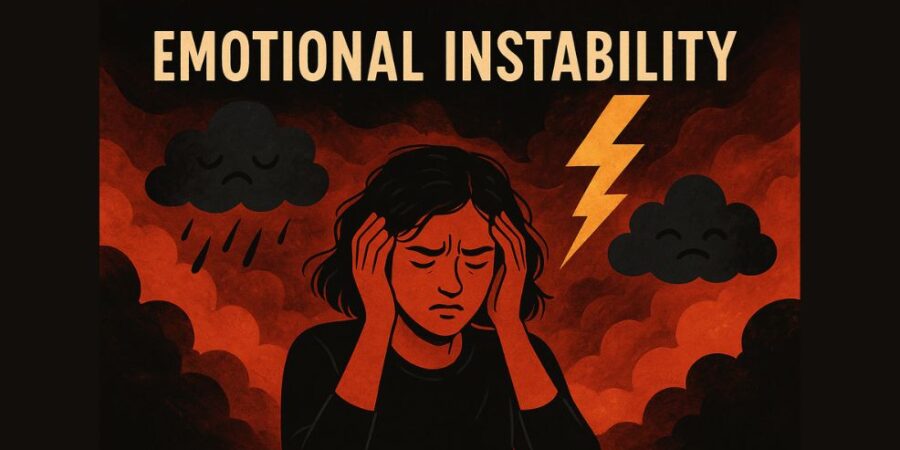
Emotional instability, also known as emotional lability, refers to rapid, often exaggerated changes in mood, feelings, and emotions that can occur suddenly without obvious triggers. These mood fluctuations can profoundly impact one’s daily life, relationships, professional interactions, and overall emotional health. Understanding emotional instability, its types, potential benefits and drawbacks, and the importance of addressing it through emotionally focused experiences can significantly enhance a person’s quality of life.
Understanding Emotional Instability
Emotional instability manifests differently among individuals but commonly involves significant mood swings, irritability, anxiety, episodes of sadness, anger, or euphoria. Unlike typical mood variations, emotional instability is characterized by intense emotions that can quickly shift from positive to negative or vice versa. This unpredictability can lead to confusion, frustration, and difficulty managing day-to-day responsibilities and social interactions.
Types of Emotional Instability
Several types of emotional instability exist, each reflecting different underlying conditions or circumstances:
- Mood Swings
- Rapid shifts from happiness to sadness or irritability.
- Frequently observed in stressful situations or hormonal fluctuations.
- Emotional Dysregulation
- Difficulty managing emotions appropriately to the situation.
- Often associated with psychological conditions like borderline personality disorder.
- Affective Lability
- Extreme sensitivity to emotional triggers.
- Commonly seen in neurological conditions, such as after a stroke or traumatic brain injury.
- Impulsive Emotional Reactions
- Sudden, intense reactions without forethought.
- Linked to conditions like ADHD or bipolar disorder.
- Anxiety-Driven Instability
- Frequent fluctuations driven by anxiety, fear, or stress.
- Often accompanied by physical symptoms like increased heart rate and panic attacks.
Potential Benefits of Emotional Instability
Though often perceived negatively, emotional instability can have some unexpected benefits:
- Heightened Sensitivity: Increased emotional sensitivity may lead to greater empathy and understanding toward others, fostering deeper relationships.
- Creativity and Expression: Intense emotions can fuel creativity, enabling expressive outlets such as art, writing, or music.
- Alertness and Adaptability: The heightened emotional responses can keep individuals alert, potentially helping them adapt rapidly in changing environments.
Drawbacks of Emotional Instability
Despite possible benefits, emotional instability usually poses significant challenges:
- Relationship Strain: Sudden mood changes can lead to misunderstandings, conflicts, and instability in personal relationships.
- Professional Challenges: Difficulty maintaining consistent emotions can affect workplace interactions, productivity, and professional reputation.
- Mental Health Risks: Prolonged instability increases the risk of developing severe mental health disorders like depression, anxiety disorders, or personality disorders.
- Physical Health Issues: Chronic emotional instability can also contribute to physical symptoms such as headaches, fatigue, and digestive issues.
Importance of Managing Emotional Instability
Addressing emotional instability is crucial for enhancing emotional health and overall life quality. Improved emotional stability fosters better self-regulation, resilience to stress, and healthier interpersonal relationships. Learning to manage emotional instability can lead to significant life improvements, such as better decision-making, enhanced communication skills, and increased emotional resilience.
Improving Emotional Instability to Enhance Emotional Health
Improving emotional instability involves both self-awareness and practical strategies:
- Mindfulness and Meditation: Practicing mindfulness enhances awareness of emotional triggers, allowing better control over reactions.
- Therapeutic Support: Professional counselling and therapy can provide tools and techniques to manage emotional responses effectively.
- Lifestyle Adjustments: Regular physical activity, adequate sleep, balanced diet, and reduced caffeine and alcohol intake can stabilize emotional states.
- Emotionally Focused Experiences: Engaging in experiences designed to process and regulate emotions helps in better emotional management.
The Role of Emotionally Focused Experiences
Emotionally focused experiences can significantly improve emotional instability by encouraging emotional expression, introspection, and processing. Platforms offering emotionally focused therapy experiences, such as Emotions Market, provide personalized activities designed to address various emotional challenges. These experiences often include:
- Expressive Arts Therapy: Using art, music, dance, or drama to express and regulate emotions.
- Group Emotional Experiences: Participating in group therapy or workshops helps individuals feel less isolated, enhancing their emotional understanding and regulation through shared experiences.
- Sensory-Based Experiences: Activities involving sensory stimulation or deprivation, such as aromatherapy, sensory baths, or floatation tanks, can significantly reduce emotional volatility and increase emotional resilience.
- Cognitive and Behavioural Therapies: Structured therapeutic approaches specifically tailored to improve emotional responses, including cognitive-behavioural therapy (CBT), dialectical behaviour therapy (DBT), and exposure therapy.
Benefits of Emotionally Focused Experiences
Engaging in emotionally focused experiences can lead to numerous benefits:
- Enhanced Emotional Awareness: Recognizing emotional triggers and understanding emotional patterns better.
- Improved Emotional Regulation: Learning how to control emotional responses effectively, reducing volatility and unpredictability.
- Increased Empathy and Understanding: Developing deeper empathy toward oneself and others, fostering healthier relationships.
- Reduced Anxiety and Stress: Experiencing less frequent and less intense emotional fluctuations, leading to overall improved mental health.
Potential Drawbacks and Considerations
While emotionally focused experiences offer numerous advantages, they also require careful consideration:
- Emotional Discomfort: Initial sessions might evoke uncomfortable emotions or memories, requiring professional guidance to manage effectively.
- Personal Vulnerability: Opening up emotionally can be challenging for many, requiring patience and gradual exposure.
- Dependence on Support: Over-reliance on emotionally focused experiences without developing personal coping skills could limit long-term improvement.
Making Life Better through Emotionally Focused Therapy
By utilizing emotionally focused experiences, individuals can significantly improve their emotional stability, enhancing overall life satisfaction. Experiences provided by platforms like Emotions Market offer diverse, accessible, and innovative opportunities tailored specifically to emotional healing and growth. Whether through individual therapy, immersive sensory experiences, or group workshops, emotionally focused activities empower individuals to reclaim control over their emotions and improve their emotional resilience and stability.
Conclusion
Emotional instability, though challenging, can be managed effectively through a deeper understanding of its types, recognition of its benefits and drawbacks, and practical, emotionally focused experiences. By addressing emotional instability proactively, individuals can achieve greater emotional resilience, stability, and overall well-being, substantially improving their lives. Embracing emotionally focused experiences is a powerful step toward emotional growth, healthier relationships, and a balanced, fulfilling life.

Leave a Reply