
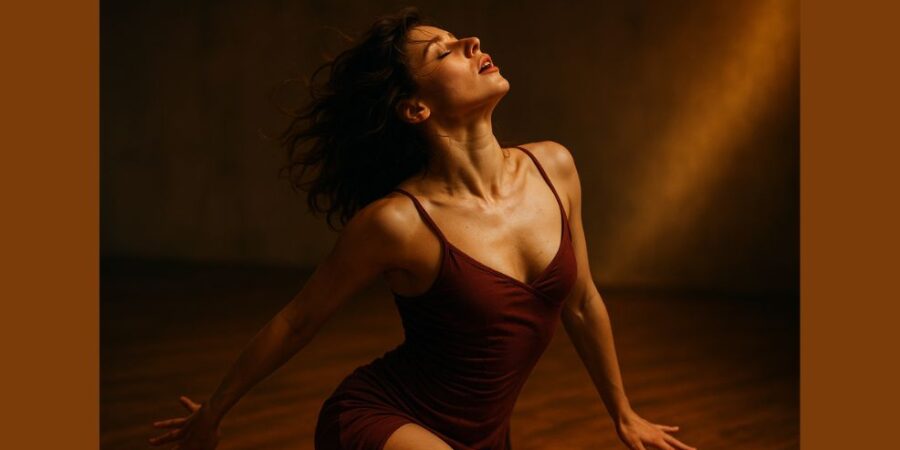
Watching a sensual solo dance is an experience that goes far beyond visual beauty – it is a journey that stirs the heart. The lights dim, music begins, and a lone dancer sways gracefully on stage. In those moments, the audience isn’t just seeing art; they are feeling it. From the hypnotic undulations of a belly dancer’s hips to the raw expression of a contemporary dance piece, sensual dance has a unique power to awaken deep emotions. This blog post explores several forms of sensual solo dance – belly dance, contemporary expressive dance, pole dance, and exotic dance – touching on their origins and delving into the emotional waves they create in those who watch. We’ll discover how these dances can evoke awe, desire, vulnerability, empathy, healing, and empowerment, ultimately uplifting the viewer’s emotional state through catharsis, resonance, and inspiration.
Belly Dance: Ancient Allure and Grace
Belly dance is often described as one of the oldest forms of dance, with roots in the Middle East (especially Egypt) stretching back centuries. Traditionally known as Raqs Sharqi (Oriental Dance), it was originally performed in cultural and celebratory settings. Dancers use graceful movements of the hips, abdomen, and hands, adorned in shimmering costumes that accentuate each fluid motion. This dance form carries an ancient allure – it has been associated with rituals of femininity, fertility, and communal joy throughout history. Over time, belly dance travelled to the Western world (particularly in the 19th and early 20th centuries) where its sensual beauty captivated audiences and earned it the name “belly dance.” Despite the exotic label, at its heart this is a celebratory dance that honors the strength and elegance of the human body.
When watching a skilled belly dancer, viewers often find themselves mesmerized. The soft jingling of coin belts and the rolling rhythms of Middle Eastern music create an almost trance-like atmosphere. Emotionally, a belly dance performance can evoke awe and admiration – awe at the dancer’s precise control and isolation of muscles, and admiration for the confidence and grace she exudes. There is a warmth and joyfulness to belly dance that audiences can feel; the dancer’s smile and inviting gestures make it feel as if she’s dancing for each person individually. Many viewers describe feeling uplifted and enchanted, transported by the music and movement to a place of wonder. For some, especially women, watching a belly dancer unapologetically celebrate her body can spark a sense of empowerment and self-acceptance. It’s an affirmation that sensuality and strength can coexist beautifully. In essence, belly dance wraps viewers in feelings of delight and cultural connection, leaving them with full hearts and a lasting glow of positivity.
Contemporary Expressive Dance: Modern Emotion in Motion
Contemporary expressive dance is a broad genre born from the modern dance revolution of the early 20th century. Pioneers like Isadora Duncan and Martha Graham broke away from rigid ballet rules to create a dance style that prioritizes raw emotion and personal expression. Unlike classical dances with set steps, contemporary dance allows individuality – the choreography often flows from the dancer’s inner feelings or a narrative theme. It blends techniques from ballet, modern, and jazz, but often with barefoot performers and unconventional movements that can be fluid and soft or sharp and explosive, depending on the mood. This form of dance has no single cultural origin; it evolved in Europe and America as a reaction against tradition, and today it’s a staple of dance companies and TV competitions where solo dancers pour their hearts into every move.
Watching a contemporary solo dance can be an incredibly moving experience for the audience. These performances frequently tackle emotional themes – love, loss, longing, trauma, hope – all conveyed without a single spoken word. Viewers might see a dancer arching her back in sorrow or leaping in exuberance, and in those moments the emotion behind the movement is almost palpable. It’s not uncommon for an audience to be moved to tears or chills during a powerful contemporary routine. Because the dancer often shares something deeply personal or vulnerable through the choreography, the viewer feels a sense of empathy and resonance – as if the dancer’s story might also be their own. In one moment, you might feel the sting of the dancer’s portrayed heartbreak; in the next, a surge of inspiration as you watch them “dance through” their pain. Contemporary dance invites the audience to reflect on their own emotions and experiences. It can provide a cathartic release – a feeling that unspoken feelings have been expressed and validated on stage. There is also a beauty in its unpredictability; as a viewer, you’re constantly kept on the edge, fully present and emotionally invested in each twist, reach, and fall. The result is an immersive emotional journey that stays with you long after the dance ends.
Pole Dance: Strength and Seduction Combined
Pole dance has undergone a remarkable transformation in recent decades. What began primarily as an exotic dance in clubs has evolved into a globally recognized art form and sport. Historically, dancing with a pole can be traced to various sources – from traditional Indian Mallakhamb (men performing acrobatics on a pole) to Chinese pole acts in circuses – but the sensual style of pole dance familiar today took shape in 20th-century burlesque and strip clubs. By the late 20th and early 21st century, pole dancing started to shed its stigma as dancers demonstrated the incredible athleticism and artistry it requires. Today, pole dance studios and championships exist worldwide, celebrating it as a blend of dance, acrobatics, and self-expression.
For the audience, watching a solo pole dance routine is often a breathtaking experience. There is an immediate sense of awe as the dancer climbs, spins, and suspends herself in mid-air, seemingly defying gravity. The physical strength on display – holding poses with just an arm or a thigh gripping the pole – is nothing short of astonishing. This awe is frequently mixed with a flush of excitement and desire, as pole dance remains a very sensual form of expression. The dancer might glide with feline grace, arching her body in slow, deliberate movements that highlight flexibility and control, then suddenly burst into a rapid spin or an upside-down split. This interplay of seduction and strength captivates viewers on multiple levels: visually, emotionally, and even viscerally. Many find themselves cheering or gasping aloud at a particularly daring move, heart racing in empathy as if on the pole themselves. Beyond the initial titillation, a deeper emotional impact often surprises audiences – there is a sense of pride and empowerment that can arise while watching. Seeing someone owning their sexuality and athleticism simultaneously, unashamed and boldly present, can be empowering for viewers, especially those who may have felt that sensuality must be hidden or shameful. Pole dance showcases sensual dance as a form of power: the dancer is in complete command of her body and the audience’s attention. This can leave viewers feeling energized and inspired, their minds opened to new definitions of strength and beauty.
Exotic Dance: The Art of Seduction and Empowerment
“Exotic dance” is an umbrella term that often refers to erotic performance styles meant to entice and entertain – from classic burlesque striptease to modern club dancing. In Western history, exotic dance gained popularity through late 19th-century cabarets and early 20th-century burlesque halls. Performers like the infamous Mata Hari and later burlesque stars such as Gypsy Rose Lee turned seduction into an art, using playful peels, glamorous costumes, and flirtatious theatrics. The goal was not just to remove clothes, but to create an atmosphere of tease, humour, and spectacle. Over time, exotic dance also came to include performances in gentlemen’s clubs, where the focus could be more directly on sensuality. However, in all its forms, exotic dance has a strong undercurrent of agency – the performer is the one in control of the gaze and the narrative of seduction.
For viewers, an exotic dance performance can stir a complex mix of emotions. On the surface, there is the obvious spark of desire or arousal – these dances are meant to be erotic and exciting. The dancer’s sultry moves, whether it’s a slow glove peel in burlesque or a contemporary striptease, create an electric tension that the audience keenly feels. But alongside the sensual thrill, there is often delight and amusement. In a burlesque show, for example, the performer might wink and grin, incorporating comedy and wit, which makes the audience laugh and feel included in the fun. This creates a joyous, celebratory mood around sexuality rather than a secretive or shameful one. Many audience members (of all genders) also report feeling inspired and empowered while watching an exotic dancer who is confidently in command of her body and sexuality. There’s a contagious confidence radiating from a performer who clearly loves the skin she’s in. A viewer might think, “Look at how fearless and powerful she is – I want to feel that way, too.” In this sense, exotic dance can challenge inhibitions and encourage self-acceptance. For some, it can even be a healing experience: seeing sensuality framed as art and empowerment can help dissolve personal anxieties or negative beliefs about one’s own body or desires. By the end of a vibrant exotic dance act, the audience often feels not only entertained, but oddly liberated – as if some unspoken social rule got joyfully broken, and everyone is freer for it.
Awe and Inspiration
Watching a sensual solo dance often leaves viewers in a state of awe. Awe is that goosebump-raising, mouth-open sensation of witnessing something extraordinary. Whether it’s the intricate hip circles of a belly dancer or the impossible bend of a pole dancer suspended in mid-air, the sheer mastery and artistry on display can be awe-inspiring. In those spellbinding moments, a dancer’s body seems to transcend normal human limits, becoming an instrument of pure expression. This fills the audience with wonder – How can someone move so fluidly? How can emotions be spoken without words so clearly? Such awe can swiftly turn into inspiration. A person inspired by a dance might feel a renewed appreciation for what the human body and spirit can do. They might think about their own life and passions: the performance could spark an urge to be creative, to try dancing themselves, or simply to approach their own endeavours with the same dedication and boldness they witnessed on stage. For example, seeing a contemporary dancer pour out her soul in movement might inspire a viewer to be more fearless in expressing their own feelings. In this way, the awe experienced doesn’t fade when the curtains close – it plants a seed. The memory of that beautiful performance becomes a touchstone of inspiration that the viewer can carry into their daily life, reminding them of the beauty that exists when one fully embraces their art and self.
Desire and Passion
Sensual dances are, by their very nature, imbued with desire and passion, and these feelings can easily transfer to the viewer. When a solo dancer moves with sensuality – the slow arch of the back, the flirtatious glance, the dramatic hair flip, the rhythmic undulation of hips – it can evoke a strong emotional and even physical response in the audience. It’s similar to the feeling one gets from a romantic scene in a movie, but intensified by the live, personal nature of dance. A viewer might feel their heart rate quicken, their cheeks flush, or a flutter in their stomach. These are natural responses to witnessing sensual beauty and confident sexuality. Importantly, the desire evoked isn’t purely sexual; it’s also an emotional passion. You may feel a surge of romance, a longing for connection, or a rekindling of your own sensual side. The passion emanating from the dancer – the way they seem to lose themselves in the music and moment – can remind viewers of what it feels like to be passionately alive and present. In some cases, watching such a dance can stir personal memories of love or ignite new feelings of attraction or admiration. Rather than something base or dirty, this desire is often described by viewers as exhilarating and positive – a reminder that they, too, are living, feeling beings capable of passion. It can deepen a viewer’s appreciation for sensuality as a normal, healthy part of life. In couples who watch a sensual dance together, it might even spark intimacy or open conversations about desire and attraction. Overall, the feelings of desire and passion elicited by a sensual performance add an electric charge to the experience, engaging not just the mind and heart of the viewer, but the body’s chemistry as well. It’s a testament to how art can awaken our most basic human emotions in a beautiful, enriching way.
Empathy and Vulnerability
One of the most profound emotional effects of watching a dancer – especially in an expressive solo – is the sense of empathy it can foster. When a dancer performs with genuine emotion, they are essentially sharing their vulnerability with the audience. Perhaps a contemporary dancer is portraying heartbreak, each movement heavy with sorrow, or a belly dancer closes her eyes and seems lost in a trance of joy. As viewers, we instinctively respond to these cues. We might not have the same life story as the performer, but we begin to feel with them – a process often called kinesthetic empathy. The dancer’s vulnerability in that moment allows us to access our own. For example, if the dancer’s face crumples in emotional pain during a slow, reaching movement, a viewer might feel a lump in their throat or tears welling up, empathizing with that pain even if they can’t name the story behind it. Conversely, if the dancer explodes into a smile and playful shimmy, the viewer might grin and feel a rush of warmth, sharing in the delight.
This empathetic connection is powerful because it breaks the barrier between performer and spectator – emotionally, you are in it together. The audience becomes part of the story, almost as if everyone in the room is collectively experiencing the emotions being danced. Additionally, witnessing someone else’s vulnerability can make the viewer more comfortable with their own. It’s as if the dancer, by openly emoting, gives silent permission for the audience to acknowledge feelings they might usually keep hidden. This is why many people describe feeling emotionally “seen” or understood during a heartfelt dance performance. If you have ever been through something similar to what the dance conveys – loss, love, yearning – seeing it expressed can be deeply validating. You realize you are not alone in that feeling; the universality of those emotions is shared in that space. This resonance can be both tender and healing, as it encourages viewers to drop their guard for a moment. In a dark theatre, as a solo dancer bares her soul under the spotlight, an audience member might whisper internally, “Yes, I feel that too.” In that shared vulnerability, there is a beautiful human connection formed, all without a single word spoken.
Healing and Catharsis
Emotions stirred by watching a sensual dance can have a powerful healing effect on the viewer. Often, we carry around stress, sadness, or even unarticulated feelings in our daily lives. Engaging with an emotive performance provides a safe outlet for those feelings – a process of catharsis. Catharsis is the release of pent-up emotions, and it’s something art has offered humans for millennia. In the context of dance, the performer might be acting out a narrative of overcoming struggle or finding freedom, and as you watch, you experience a parallel emotional release. For instance, if a dancer’s routine portrays a journey from heartbreak to self-love, you might find yourself silently shedding tears during the low points and then feeling a weight lift as the dance crescendos into triumph. By the end, those tears have washed away some of your own sorrow. This is the cathartic magic of being moved by someone else’s story.
Sensual dance, in particular, adds another layer to the healing aspect. Because it deals so openly with body expression and intimacy, it can help heal viewers’ relationships with their own bodies and emotions. Imagine someone who feels insecure or disconnected from their body watching an elegant belly dance – they might initially sense envy or insecurity, but as the dance continues, those feelings can transform into admiration and a gentle acceptance. The viewer might think, “Her body is not ‘perfect’ by magazine standards, yet she is absolutely radiant and captivating.” This realization can be healing, chipping away at the viewer’s own body shame or emotional inhibition. Additionally, the rhythmic, flowing nature of many sensual dances can be almost meditative to watch. The viewer’s breathing slows to match the dancer’s, tension melts away as the music swells – it’s a therapeutic experience, almost like the audience is dancing vicariously. Many people leave a dance performance feeling lighter and emotionally cleansed, even if they can’t pinpoint why. It’s as though the dancer has done a form of emotional labour on behalf of the audience – expressing grief, joy, longing, or ecstasy so fully that everyone watching gets to let those feelings out too. This shared emotional journey can be incredibly healing for the soul, reminding us that feeling deeply – whether tears of sadness or of joy – is a vital part of being alive, and one that ultimately brings balance and relief.
Empowerment and Liberation
Perhaps one of the most surprising yet profound impacts of viewing sensual dance is the feeling of empowerment it can ignite. At first glance, one might assume that only the dancer – the person on stage – is empowered, as she confidently moves and captivates the room. But empowerment often extends to the audience as well. Watching someone embrace their sensuality, strength, and individuality on stage can be a liberating experience for viewers. It’s a demonstration of what it looks like when a person is fully in command of themselves – unashamed, bold, and authentic. This can lead audience members to reflect on their own lives: What if I allowed myself that freedom? What if I loved myself that unapologetically? These questions can spur personal growth. For example, a woman in the audience who has always been self-conscious about dancing might, after seeing a fierce pole routine or a joyous belly dance, feel inspired to stand a little taller and sway her hips with more confidence. A barrier of inhibition breaks, and in its place grows a determination to celebrate her own body and desires.
Sensual solo dances also frequently carry themes of liberation that resonate with viewers. Consider exotic dance and burlesque performances: many are crafted deliberately to challenge social norms or reclaim narratives (for instance, a burlesque dancer of a marginalized body type owning the stage and defying conventional beauty standards). When you watch a performance that boldly says, “I define my own worth and beauty,” it is incredibly empowering. You feel that message as a viewer; it encourages you to cast off some of the societal judgments or personal doubts that have been holding you back. Even beyond the realm of sensuality, the general courage and artistry of a solo dancer can motivate viewers to be braver in their own expression. It might not mean that you’ll climb a pole or perform a dance – maybe empowerment looks different for you, like speaking up about your feelings, or trying a new style of dress that makes you feel good. Whatever form it takes, the seed of that change can very well be planted in the theatre as you watch a dancer shine. You realize that freedom is contagious: seeing someone else free on stage can make you feel a little more free inside. Empowerment, in this sense, is one of the greatest gifts a performer can give an audience. It lasts far beyond the performance – it walks out of the venue with you, a newfound confidence and zest that can uplift your everyday life.
Conclusion: The Lasting Impact of Sensual Dance
A sensual solo dance performance is much more than a fleeting entertainment – it is an emotional encounter that leaves a lasting imprint on those who experience it. Each style of dance, from the time-honored sway of belly dance to the bold acrobatics of pole, from the heartfelt storytelling of contemporary dance to the provocative playfulness of exotic dance, offers its own unique window into human emotion and connection. As we’ve seen, watching these dances can trigger a rich tapestry of feelings: awe that inspires us, desire that reminds us of our passion, empathy that connects us, vulnerability that heals us, and empowerment that transforms us. In a world that often urges us to suppress feelings or disconnect from our bodies, the act of observing a dancer unabashedly express themselves is a powerful antidote. It pulls us into the present moment, stirs emotions we might have forgotten, and often leaves us a little changed – perhaps standing a bit straighter, breathing a bit deeper, and feeling more alive. The next time you find yourself in the audience as the lights dim and a solo dancer takes the stage, open your heart to the experience. You might just find that in those sensual movements and raw emotions, a part of your own spirit dances along, feeling more free and human than before.

Leave a Reply