
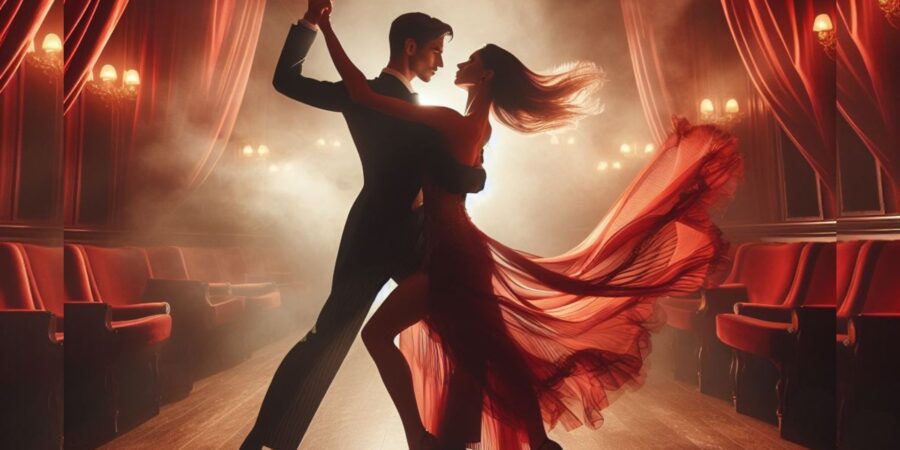
Sensual dance is a style of dance that emphasizes the expression of sensuality and emotion through movement. It is often characterized by fluid and graceful motions that focus on creating a connection between the dancer’s body and the music, as well as establishing a connection with the audience or dance partner.
Sensual dance can take various forms and be influenced by different cultural and dance styles. Some well-known examples include salsa, tango, bachata, and kizomba. These dances often involve close contact between dance partners, intricate footwork, and expressive body movements. The goal is to convey a sense of passion, intimacy, and connection through the dance.
It’s important to note that the term “sensual dance” can have different connotations and interpretations depending on cultural and individual perspectives. Some may associate it with partner dances, while others may think of solo dances that emphasize individual expression and sensuality. Overall, sensual dance is a broad term that encompasses various dance styles aimed at conveying emotion and sensuality through movement.
55 different types of Sensual Dance
There are several types of sensual dance, each with its unique style and cultural influences. Some of the most well-known types include:
- Salsa: Salsa is a lively and energetic dance that originated in Latin America, with influences from Cuba and Puerto Rico. It involves intricate footwork, spins, and partner work, emphasizing the connection between partners and expressing the joy and passion of the music.
- Tango: Originating in Argentina, the tango is a passionate and dramatic dance known for its close embrace and intricate footwork. Tango often conveys a strong emotional connection between the dance partners, with movements that can be both powerful and intimate.
- Bachata: Bachata is a sensual dance that originated in the Dominican Republic. It has a slower pace compared to salsa and incorporates smooth hip movements and close connections between partners. Bachata often emphasizes the expression of emotion and storytelling through dance.
- Kizomba: Originating in Angola, Kizomba is a dance that has gained popularity globally. It features a close embrace and slow, fluid movements. Kizomba is known for its emphasis on connection, musicality, and the expression of sensuality between dance partners.
- Rumba: Rumba is a Latin dance that originated in Cuba. It has both social and competitive forms and is characterized by hip movements, sensual body rolls, and flirtatious interactions between partners.
- Flamenco: Flamenco is a passionate and expressive dance form that originated in the Andalusian region of Spain. It involves intricate footwork, hand clapping, and dramatic poses, expressing a wide range of emotions, including sensuality.
- Belly Dance: Originating in the Middle East, belly dance is a solo dance form known for its fluid and isolating movements of the hips, torso, and arms. It is often performed with expressive costumes and conveys a sense of femininity and sensuality.
- Samba: Samba is a lively and energetic dance that originated in Brazil. It is known for its fast footwork, hip movements, and vibrant Carnival-like atmosphere. Samba often incorporates elements of sensuality and celebration.
- Argentine Tango: Building on the traditional tango, Argentine Tango is a more improvisational and intimate form of the dance. It involves subtle, intricate movements and a strong connection between the dance partners.
- Lambada: Originating in Brazil, Lambada is known as the “Forbidden Dance” due to its close and sensual movements. It incorporates elements of Brazilian rhythms and often involves swaying hip motions.
- Forró: Another Brazilian dance, Forró is characterized by close partner dance with quick footwork and playful interactions. It has a lively and sensual feel, especially in its more intimate variations.
- Cha-Cha-Cha: Cha-Cha-Cha is a lively Latin dance that originated in Cuba. It involves quick footwork, syncopated steps, and playful interactions between partners, conveying a sense of fun and flirtation.
- Zouk: Zouk originated in the Caribbean and is known for its smooth and flowing movements. It has evolved into various styles, including Brazilian Zouk and Caribbean Zouk, both incorporating sensual body movements and close connections between partners.
- West Coast Swing: While West Coast Swing is a versatile dance style, it can be adapted to incorporate sensuality through smooth, flowing movements, and a strong connection between partners. It is often danced to a variety of music genres, including blues and contemporary pop.
- Swing Dance: While swing dancing encompasses various styles like Lindy Hop, Balboa, and Charleston, some variations incorporate playful and expressive movements that can convey a sense of sensuality within the energetic swing dance framework.
- Kizomba Fusion: Kizomba Fusion is a contemporary form that combines elements of Kizomba with other dance styles, such as Tango or Hip Hop. It allows for creative expression and often emphasizes the sensual aspects of dance.
- Bolero: Bolero is a slow-tempo Latin dance that originated in Spain and Cuba. It is characterized by smooth, romantic movements and often involves close contact between dance partners, expressing emotions with grace and sensuality.
- Dança do Ventre (Belly Dance): This Middle Eastern dance form involves isolations of the hips, torso, and arms. Belly dance often conveys a sense of femininity, sensuality, and storytelling through expressive movements.
- Soca Dance: Originating in the Caribbean, Soca dance is often associated with carnival celebrations. It features energetic movements, hip gyrations, and expressive body language, creating a lively and sensual atmosphere.
- Milonga: Milonga is a dance that originated in Argentina and is often considered a faster and more playful version of tango. It involves close contact, intricate footwork, and a sense of intimacy and connection between partners.
- Merengue: Merengue is a lively dance from the Dominican Republic, characterized by quick footwork and hip movements. While it can be energetic, the close embrace and playful interactions between partners can add a sensual touch.
- Bachata Sensual: A variation of traditional Bachata, Bachata Sensual emphasizes body waves, dips, and sensual movements. It often incorporates influences from other dance styles and focuses on creating a strong connection between dance partners.
- Afro-Cuban Rumba: This dance form originated in Cuba and encompasses various styles, including Yambú, Columbia, and Guaguancó. Afro-Cuban Rumba involves expressive movements, body isolations, and a dynamic interplay between dance partners.
- Urban Kiz: Urban Kiz is a modern fusion of Kizomba with urban and contemporary dance styles. It often incorporates fluid movements, body rolls, and close connections between partners, expressing sensuality within a contemporary context.
- Quebradita: Originating in Mexico, Quebradita is a lively dance style characterized by energetic spins, lifts, and dips. It often involves playful and flirtatious movements, adding a touch of sensuality to the dance.
- Sensual Bachata: Similar to Bachata Sensual, Sensual Bachata incorporates fluid body movements, close embraces, and expressive partner connections. It often involves creative choreography that highlights sensuality and connection.
- Odissi: Odissi is a classical dance form from the Indian state of Odisha. It involves intricate footwork, expressive facial expressions, and graceful movements of the entire body. While not explicitly sensual, it often conveys emotions and stories through its expressive gestures and poses.
- Butoh: Butoh is a Japanese avant-garde dance form that emerged in the late 20th century. It often involves slow, controlled movements with an emphasis on the dancer’s internal emotions. Butoh can evoke a range of feelings, including sensuality, as it explores the depths of human experience.
- Contemporary Dance: Contemporary dance is a fluid and expressive form that often combines elements from various dance styles. Choreographers and dancers may incorporate sensual movements, partnering, and emotional expression into contemporary dance routines.
- Krump: Krump is a form of street dance that originated in Los Angeles. While known for its aggressive and energetic movements, some dancers incorporate elements of sensuality and emotion into their performances, using Krump as a means of personal expression.
- Queer Tango: Queer Tango is a modern interpretation of traditional Argentine Tango that embraces diversity and inclusivity. It often challenges gender roles and expectations, allowing for more fluid and expressive movements that can include elements of sensuality.
- Kathak: Kathak is a classical dance form from North India characterized by intricate footwork, fast spins, and storytelling through hand gestures and facial expressions. While primarily a narrative dance, certain compositions may incorporate elements of sensuality.
- Lap Dance: Lap dance is a style of dance performed in a seductive manner, often in a one-on-one setting. It is not a traditional cultural dance but is performed in adult entertainment settings. The focus is on creating a sensual experience for the recipient through body movements.
- Pole Dance: While primarily known as a fitness and performance art form, pole dance can also be sensual in nature. Dancers use the pole for acrobatic and expressive movements, often conveying sensuality through fluidity and controlled strength.
- Fan Dance: Fan dance is a traditional dance form in various cultures, including Chinese and Burlesque. It involves using fans as props to create elegant and sensual movements, often emphasizing the art of revealing and concealing.
- Jazz Dance: Jazz dance, with its roots in African American vernacular dance, often incorporates elements of sensuality. Dancers use isolations, body rolls, and expressive gestures to convey emotions and create a captivating performance.
- Capoeira: Capoeira is a Brazilian martial art that combines elements of dance, acrobatics, and music. While its primary focus is on martial movements, the fluid and expressive nature of Capoeira can convey a sense of sensuality, especially in the way partners interact during the “jogo” or game.
- Hula Dance: Hula is a traditional dance form from Hawaii that tells stories through hand and hip movements. While it may not be explicitly sensual, the graceful swaying of the hips and flowing arm movements can convey a sense of beauty and connection to nature.
- Raqs Sharqi (Belly Dance): Raqs Sharqi, often simply referred to as belly dance, is a Middle Eastern dance form that emphasizes isolations of the hips, shimmies, and fluid movements. It is known for its sensual and feminine expressions.
- Samba de Gafieira: Samba de Gafieira is a partner dance that originated in Brazil, characterized by quick footwork, spins, and close embraces. It blends elements of samba with other dance styles, and its playful and rhythmic nature can evoke sensuality.
- Haitian Vodou Dance: Rooted in Haitian Vodou ceremonies, this dance form involves energetic movements, symbolic gestures, and ritualistic expressions. While primarily a spiritual dance, it can also incorporate sensuality as part of the overall ritual experience.
- Turkish Oriental Dance: Turkish Oriental Dance, or Oryantal dans, is a dance style from Turkey that shares similarities with belly dance. It involves expressive movements, shimmies, and floorwork, often conveying a sense of sensuality and storytelling.
- Fandango: Fandango is a traditional dance from Spain that varies in style across different regions. It often involves fast footwork, clapping, and castanet playing. Some variations of Fandango may incorporate playful and flirtatious movements.
- Kathakali: Kathakali is a classical dance-drama from the Indian state of Kerala. While it is more theatrical than sensual, the elaborate costumes, expressive facial makeup, and dramatic gestures can convey a range of emotions, including sensuality.
- Paso Doble: Paso Doble is a ballroom dance inspired by the Spanish bullfight. While it is characterized by strong, dramatic movements, the interaction between the lead and follow can sometimes take on a passionate and sensual tone.
- Mambo: Mambo is a lively and rhythmic dance style that originated in Cuba. It involves quick footwork, hip movements, and a playful interaction between dance partners, conveying a sense of energy and sensuality.
- Bollywood Dance: Bollywood dance is a vibrant and expressive style that incorporates elements of traditional Indian dance forms with modern influences. While not explicitly sensual, Bollywood dance often features graceful movements, facial expressions, and storytelling that can evoke a sense of emotion and sensuality.
- Lyrical Dance: Lyrical dance is a contemporary dance style that combines elements of ballet, jazz, and modern dance. It often focuses on expressing emotions and telling a story through fluid and emotive movements, allowing for a sense of sensuality in the choreography.
- Cuban Rumba: Cuban Rumba is a lively and rhythmic dance that originated in Cuba. It includes various styles like Yambú, Guaguancó, and Columbia, each with its own characteristics. Cuban Rumba often involves flirtatious and playful movements, conveying a sense of sensuality.
- Tarantella: Tarantella is a traditional Italian folk dance that is often performed at festive occasions. It features fast and lively footwork, spins, and expressive arm movements, creating an energetic and sometimes flirtatious atmosphere.
- Latin Hustle: Latin Hustle is a partner dance that evolved from disco and Latin dance styles. It involves quick footwork, spins, and close connections between partners, allowing for playful and sensual interactions on the dance floor.
- Candombe: Candombe is a traditional Afro-Uruguayan dance that involves drumming and dance. While primarily a cultural and rhythmic expression, the dance can include sensual movements and interactions between the dancers.
- Salsa Rueda de Casino: Salsa Rueda de Casino is a group dance that involves couples dancing in a circle, with partners frequently changing. It combines elements of salsa with playful and coordinated movements, adding a social and sometimes sensual element to the dance.
- Arabic Flamenco Fusion: This fusion dance style combines elements of Arabic dance (like belly dance) with traditional Spanish flamenco. It results in a dynamic and expressive form that can convey sensuality through the fusion of movement vocabularies.
- Cuban Son: Cuban Son is a traditional dance from Cuba that influenced the development of salsa. It involves a close embrace between partners, with subtle hip movements and footwork, creating an intimate and sensual connection.
These examples illustrate the richness and diversity of dance styles that incorporate elements of sensuality, often drawing from cultural traditions, modern influences, and individual interpretations of movement.
Benefits of sensual dance
Sensual dance, like many other forms of dance, can offer a range of physical, mental, and emotional benefits. Here are some potential advantages:
- Physical Fitness: Sensual dance involves a combination of body movements, footwork, and sometimes partner interactions that contribute to overall physical fitness. It can improve cardiovascular health, flexibility, strength, and endurance.
- Expressiveness and Creativity: Sensual dance allows individuals to express themselves creatively through movement. It provides a platform for emotional expression and storytelling, enabling dancers to convey their feelings and experiences through the art of dance.
- Improved Posture and Body Awareness: Engaging in sensual dance often requires good posture and body awareness. Through practice, dancers can develop a heightened sense of body alignment, balance, and control, which can translate into improved posture in daily life.
- Stress Reduction: Like many forms of dance, sensual dance can serve as a stress reliever. The combination of music, movement, and self-expression can help release tension and promote relaxation, contributing to a sense of overall well-being.
- Increased Confidence and Self-Esteem: Learning and mastering sensual dance movements can boost confidence and self-esteem. The process of expressing oneself through dance, whether alone or with a partner, fosters a positive self-image and a sense of accomplishment.
- Social Connection: Sensual dances often involve partner work and social dancing, providing opportunities for social interaction and connection. Participating in dance classes or social dance events can help individuals build friendships and a sense of community.
- Body Positivity: Sensual dance encourages individuals to embrace and celebrate their bodies. It fosters a positive attitude toward one’s physical appearance and promotes body positivity and self-acceptance.
- Enhanced Coordination and Motor Skills: Learning choreography, footwork patterns, and partner interactions in sensual dance can enhance coordination and motor skills. It challenges the brain and body to work together, promoting improved physical coordination.
- Cultural Appreciation: Many sensual dance styles have cultural roots and histories. Engaging in these dances allows participants to appreciate and learn about different cultures, fostering cross-cultural understanding and appreciation.
- Joy and Fun: Perhaps one of the most significant benefits of sensual dance is the joy and fun it brings. The experience of moving to music, expressing oneself, and connecting with others can be immensely enjoyable and fulfilling.
It’s important to note that individual experiences with sensual dance may vary, and the benefits can be subjective. Additionally, the level of intensity and engagement in the dance practice can influence the extent to which these benefits are realized.
Impact of sensual dance on emotions
Sensual dance can have a positive impact on emotions by providing a creative and expressive outlet for individuals. Here’s how sensual dance can help with emotions:
- Emotional Expression: Sensual dance allows individuals to express a wide range of emotions through movement. Whether it’s joy, sensuality, passion, or introspection, dancers can use their bodies to convey and release emotions that may be challenging to express verbally.
- Stress Relief: Engaging in sensual dance can be a form of stress relief. The combination of rhythmic movements, music, and self-expression can help reduce stress and tension, promoting a sense of relaxation and well-being.
- Confidence Boost: Learning and mastering sensual dance movements can boost confidence. The act of expressing oneself through dance, whether alone or with a partner, fosters a positive self-image and a sense of accomplishment, contributing to increased self-esteem.
- Body Positivity: Sensual dance encourages individuals to embrace and celebrate their bodies. By engaging in movements that focus on self-acceptance and body positivity, dancers may develop a healthier relationship with their bodies and experience a more positive body image.
- Mind-Body Connection: Sensual dance requires individuals to be present in the moment and connect their movements with their emotions. This mindful approach fosters a stronger mind-body connection, promoting self-awareness and emotional well-being.
- Release of Pent-Up Energy: Dance, including sensual dance, provides a physical outlet for pent-up energy and emotions. The act of moving the body can release endorphins, which are neurotransmitters associated with feelings of happiness and well-being.
- Connection with Sensuality: Sensual dance is explicitly designed to explore and celebrate sensuality. For some individuals, this can be a powerful way to connect with and express their sensual side, fostering a positive relationship with their own sensuality.
- Creative Expression: Engaging in sensual dance allows for creative expression. The freedom to explore movements and choreography enables dancers to channel their emotions into a creative outlet, fostering a sense of accomplishment and fulfilment.
- Catharsis and Healing: Dance, including sensual dance, can serve as a cathartic and healing experience. The physical expression of emotions through movement can provide a release, aiding in the processing and understanding of complex feelings.
- Social Connection: Participating in sensual dance classes or social dance events provides opportunities for social connection. Building relationships with fellow dancers and sharing the dance experience can contribute to a sense of community and emotional support.
It’s important to note that the emotional benefits of sensual dance can vary from person to person. Some individuals may find it to be a transformative and therapeutic experience, while others may simply enjoy it as a fun and expressive form of movement. Explore Dance and Dramatherapy experiences on Emotions Market.

Leave a Reply