
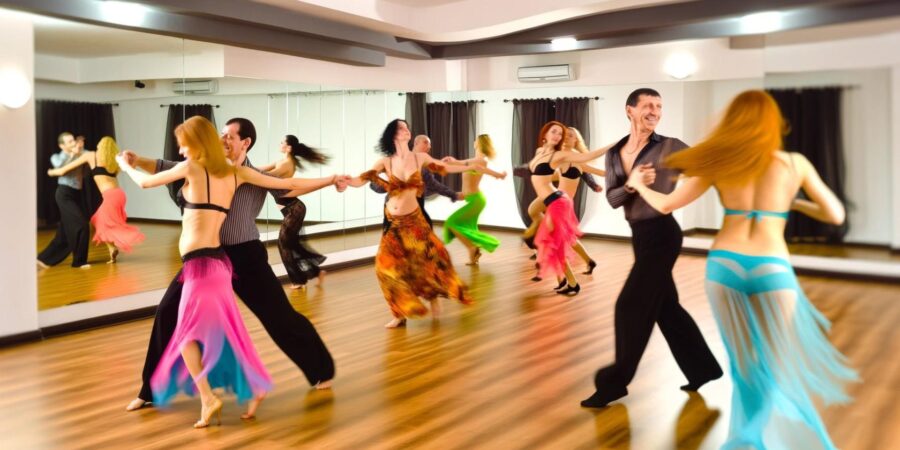
Sensual dance or erotic dance is a broad term that encompasses various dance forms characterized by expressive, fluid movements that emphasize body connectivity and emotional expression. These dances often focus on conveying feelings of intimacy, passion, and sensuality. Some popular styles within this category include belly dancing, pole dancing, tango, and bachata. These styles are distinct in their techniques and cultural origins but share a common theme of highlighting the sensuality and aesthetic beauty of the human form. Sensual dances are often performed to engage the audience emotionally, and they can be seen in performances, social dance settings, and dance therapy.
15 types of sensual dance
Here are 15 types of dances that are often recognized for their sensual nature:
Tango – Originating from Argentina, this dance is known for its intimate posture and intricate footwork.
Salsa – A lively and rhythmic Latin dance that emphasizes fluid movements and close physical connection between partners.
Bachata – A dance from the Dominican Republic, characterized by its romantic and sensual movements, often performed with a close embrace.
Belly Dancing – An expressive Middle Eastern dance that focuses on complex movements of the torso.
Pole Dancing – Combines dance and acrobatics centred around a vertical pole, known for its strength demands and sensual expressions.
Flamenco – From Spain, this dance is passionate and involves intricate hand and footwork, known for its emotional intensity.
Kizomba – A dance from Angola, noted for its slow, sensual rhythm and very close partner connection.
Rumba – Often called the “dance of love,” rumba is slow and sensual with a focus on hip movements.
Lambada – Known as the “Forbidden Dance,” lambada is fast, rhythmic, and has very close and wave-like body movements.
Burlesque – A performance style dance featuring theatrical and provocative storytelling, often with a playful and sensual flair.
Zouk – A Caribbean dance that’s smooth and rhythmic, involving flowing movements and a close connection between partners.
Milonga – A type of dance closely related to tango but with a faster, more relaxed rhythm.
Forró – A lively, bouncy Brazilian dance that is playful and involves close bodily contact.
Blues Dancing – Rooted in African American culture, this dance emphasizes interpretive movement and close physical proximity.
Argentine Tango – A more traditional form of tango that emphasizes complex, leg entwining movements and a deep emotional connection between partners.
These dances vary widely in technique and style but share an emphasis on connection, emotion, and often a sensual portrayal of movement.
Sensory benefits of sensual dance
Sensual dance offers a variety of sensory benefits that can significantly enhance physical, emotional, and mental well-being. Here are some key sensory benefits:
Physical Sensation: Engaging in sensual dance can heighten awareness of body movements and sensations. The close physical contact involved in many such dances also stimulates the sense of touch, which can enhance connection to one’s own body and to a partner.
Emotional Expression: Sensual dances provide a powerful outlet for expressing emotions, allowing dancers to explore and release feelings such as passion, joy, and even sadness. This emotional expression is deeply intertwined with the music and rhythmic movements, creating a cathartic experience.
Auditory Stimulation: Music is a central element of dance, and the rhythms, melodies, and harmonies all contribute to the experience. The auditory engagement can elevate mood, reduce stress, and stimulate memory and cognitive functions.
Visual Stimulation: Watching the fluid, rhythmic movements of dancers can be visually stimulating and aesthetically pleasing. Participating in the dance allows individuals to experience beauty both in their surroundings and in the movements they create with their bodies.
Social Interaction: Sensual dancing often involves a partner, which can improve social bonds and increase feelings of connectedness and intimacy. The non-verbal communication required in partner dances enhances one’s ability to read and respond to another person’s body language and emotions.
Mental Focus and Mindfulness: The concentration required to perform and enjoy sensual dance helps sharpen focus and mindfulness. Dancers must be present in the moment, which can help clear the mind of other concerns and reduce symptoms of anxiety and depression.
Kinaesthetic Awareness: Sensual dance improves body awareness and coordination. Dancers become more attuned to their movements, balance, and the way their bodies interact with space and with a partner.
Boosting Self-esteem and Confidence: Mastering dance movements and expressing oneself in a supportive environment can significantly boost self-esteem and confidence. This is particularly true as dancers become more comfortable with their bodies and their ability to express emotions through movement.
Endorphin Release: Engaging in physical activity like dance triggers the release of endorphins, the body’s natural painkillers and mood elevators. This biochemical reaction can lead to feelings of euphoria commonly known as the “dancer’s high,” which can enhance the overall sensory experience.
Enhanced Proprioception: Sensual dance helps in developing proprioception, which is the sense of the relative position of one’s own body parts and strength of effort being employed in movement. As dancers become more attuned to their bodies through complex movements and interactions, their ability to control and coordinate movements improves.
Therapeutic Touch: In dances that involve partner work, the sense of touch is not merely a channel for physical interaction but also has therapeutic qualities. Human touch is known to reduce cortisol levels (a stress hormone) and increase oxytocin levels (a hormone associated with bonding and feelings of happiness), enhancing the overall well-being.
Cultural Connection: Many sensual dances have deep cultural roots, providing sensory engagement that extends beyond physical movement to include a connection to history, tradition, and shared experiences. This can deepen one’s sense of identity and community, providing emotional fulfilment and a sense of belonging.
Aesthetic Appreciation: The visual aspects of dance, including costumes, lighting, and performance settings, contribute to an enriched sensory environment. This can stimulate aesthetic appreciation and inspire creativity, enhancing the sensory enjoyment of the dance.
Cognitive Stimulation: Learning and performing dance routines requires memory and pattern recognition, which stimulates cognitive functions. Dancers often need to respond quickly to musical cues, adapt to changes in rhythm, and recall complex sequences, which can enhance cognitive agility and problem-solving skills.
Emotional Resilience: The expressive component of sensual dance helps individuals manage emotions, providing a healthy outlet for stress and anxiety. This emotional processing can build resilience, helping dancers cope better with emotional challenges in other areas of their lives.
Through these various sensory dimensions, sensual dance can offer a holistic experience that nurtures the mind, body, and spirit, contributing to overall health and happiness. Explore Dance and Dramatherapy as well as Sensual and sensory play experiences on Emotions Market.

Leave a Reply