
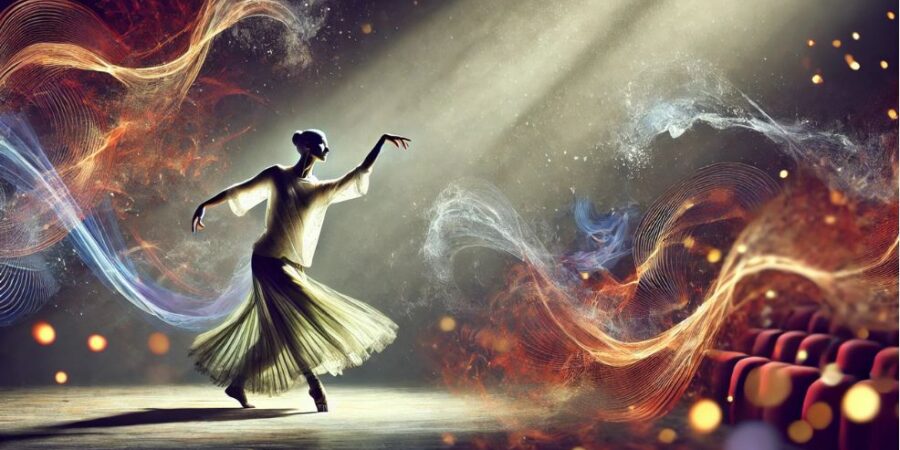
The world of dance is a profound medium for expressing emotions, telling stories, and connecting with others on a visceral level. Among the various forms of dance, erotic dancing or sensual dancing holds a unique place. It intertwines physical movement with sensual expression, offering both performers and audiences a gateway to explore deep-seated emotions and desires. In this exploration, we’ll delve into 15 different types of erotic dancing, uncover their benefits and potential drawbacks, understand who seeks them, and discuss how they can affect and improve one’s emotional state.
Understanding Erotic Dancing
Erotic dancing is not a monolith; it encompasses a diverse range of styles, each with its own history, cultural significance, and expressive potential. Here are 15 distinct types:
- Striptease: Originating in the late 19th and early 20th centuries, striptease involves the gradual removal of clothing in a teasing manner. It’s an art of anticipation, focusing on the buildup rather than the reveal.
- Pole Dancing: Combining acrobatics and dance, pole dancing requires significant strength and flexibility. It’s both a performance art and a form of fitness, emphasizing fluidity and control.
- Burlesque: A theatrical form that incorporates comedy, satire, and striptease. Burlesque celebrates individuality and often challenges societal norms with wit and glamour.
- Lap Dancing: An intimate dance performed in close proximity to an individual, emphasizing personal connection and sensual movement.
- Exotic Dance: A fusion of various dance styles with an emphasis on sensuality. It often incorporates elements from belly dancing, salsa, and other global dances.
- Chair Dancing: Utilizing a chair as a prop, this dance focuses on fluid movements and poses that highlight the dancer’s form and flexibility.
- Go-Go Dancing: Performed in nightclubs, go-go dancers energize the crowd with upbeat movements, often dancing on elevated platforms.
- Fan Dancing: A classic form involving large fans used to artfully conceal and reveal, adding an element of mystery and elegance.
- Floorwork: Emphasizing movements on the floor, this style showcases strength and flexibility through rolls, splits, and contortions.
- Aerial Silks: Performing suspended in the air with silk fabrics, dancers execute climbs, wraps, and drops, blending grace with daring feats.
- Twerking: Focusing on hip movements and isolations, twerking is a dance that emphasizes rhythm and body confidence.
- Sensual Belly Dance: Rooted in Middle Eastern traditions, it highlights fluid torso movements and is often performed to express femininity and sensuality.
- Kizomba: A dance from Angola, characterized by close partner connection and slow, romantic movements.
- Strip Aerobics: A fitness-oriented dance that combines aerobic exercise with sensual movements, promoting both health and confidence.
- Bollywood Item Numbers: In Indian cinema, these dances are performed to catchy music, featuring expressive movements and elaborate costumes that often have a sensual undertone.
Benefits of Erotic Dancing
Engaging in erotic dancing offers a multitude of benefits that span physical, emotional, and social domains.
Physical Benefits:
- Improved Fitness: Many erotic dances require strength, flexibility, and endurance. Regular practice enhances muscle tone, cardiovascular health, and overall fitness.
- Body Awareness: Dancers develop a keen sense of their body’s capabilities and limitations, leading to better posture and coordination.
Emotional Benefits:
- Increased Confidence: Mastering dance techniques and performing can boost self-esteem and body image. The act of embracing one’s sensuality often translates to greater confidence in daily life.
- Emotional Expression: Dance serves as a conduit for expressing emotions that may be difficult to articulate verbally. It allows individuals to explore feelings of desire, vulnerability, and empowerment.
- Stress Relief: The physical exertion and creative outlet provided by dance can reduce stress levels, releasing endorphins that promote a sense of well-being.
Social Benefits:
- Community Building: Joining dance classes or groups fosters social connections. Shared experiences in learning and performing can lead to lasting friendships.
- Cultural Appreciation: Many erotic dances have rich cultural histories. Learning these dances can enhance appreciation for different traditions and art forms.
Potential Drawbacks
While the benefits are substantial, it’s important to acknowledge potential drawbacks associated with erotic dancing.
- Physical Risks: Without proper training and precautions, dancers may experience injuries such as strains, sprains, or overuse injuries, especially in physically demanding styles like pole dancing or aerial silks.
- Emotional Vulnerability: Engaging in sensual expression can bring up personal insecurities or past traumas. Without adequate support, this vulnerability may lead to emotional discomfort.
- Societal Stigma: Erotic dancing often faces societal judgment and misconceptions. Dancers may encounter criticism or misunderstanding from others who hold negative perceptions of the art form.
- Exploitation Risks: In certain settings, there may be risks of exploitation or unsafe environments, particularly in industries that are not well-regulated.
Who Seeks Erotic Dancing?
People from diverse backgrounds are drawn to erotic dancing for various reasons.
- Artists and Performers: Individuals passionate about dance and performance art may explore erotic dancing to expand their expressive repertoire.
- Fitness Enthusiasts: Those looking for an engaging and challenging workout may be attracted to styles like pole dancing or strip aerobics.
- Individuals Seeking Empowerment: Many find that erotic dancing helps them reclaim their body image, overcome shyness, or heal from past negative experiences related to their bodies.
- Curious Explorers: Some are simply intrigued by the art form and wish to experience something new and exciting.
- Professional Dancers: For some, erotic dancing is a profession that allows them to earn a living while pursuing their passion for dance.
How Erotic Dancing Affects Emotions and Improves Emotional State
Erotic dancing can profoundly impact an individual’s emotional well-being in several ways.
Enhancing Self-Awareness:
Engaging in sensual movement encourages individuals to connect with their bodies on a deeper level. This heightened self-awareness can lead to greater self-acceptance and appreciation.
Building Confidence:
Learning and performing erotic dances can challenge personal boundaries and push individuals out of their comfort zones. Achieving mastery over new skills fosters a sense of accomplishment and boosts self-confidence.
Emotional Release:
Dance is a powerful medium for expressing and releasing pent-up emotions. Whether it’s joy, sadness, anger, or desire, moving through these feelings can provide relief and catharsis.
Reducing Anxiety and Stress:
The physical activity involved in dancing releases endorphins, which act as natural mood lifters. Additionally, focusing on movement and rhythm can serve as a form of mindfulness, reducing anxious thoughts.
Fostering Connection:
In partner dances like kizomba or certain forms of lap dancing, the close physical proximity and synchronization can enhance feelings of intimacy and connection, which are essential human needs.
Empowerment and Agency:
Erotic dancing allows individuals to take control of their sensual expression. This agency can be empowering, helping to combat feelings of helplessness or low self-worth.
Practical Advice for Those Interested in Erotic Dancing
If you’re considering exploring erotic dancing, here are some suggestions to ensure a positive and enriching experience.
Choose a Reputable Instructor or Studio:
Look for classes led by qualified professionals who prioritize safety, consent, and respect. A supportive environment is crucial for personal growth.
Communicate Your Boundaries:
Be clear about your comfort levels and any limitations you may have. A good instructor will respect and accommodate your needs.
Embrace the Learning Process:
Understand that proficiency takes time. Be patient with yourself and celebrate small victories along the way.
Focus on Personal Enjoyment:
Engage in the dance for your own pleasure and development, rather than external validation. Let it be a journey of self-discovery.
Be Mindful of Physical Limits:
Pay attention to your body’s signals to avoid injury. Proper warm-up and cool-down routines are essential.
Seek Support if Needed:
If engaging in erotic dancing brings up unexpected emotions or challenges, consider speaking with a counselor or joining a support group.
Conclusion
Erotic dancing is a multifaceted art form that offers a wealth of benefits to those who choose to explore it. From enhancing physical fitness to fostering deep emotional connections, it serves as a powerful tool for personal development. While there are potential drawbacks, being informed and mindful can help navigate these challenges.
By embracing the sensuality and expressive potential of erotic dance, individuals can unlock new dimensions of themselves, leading to improved emotional states and a greater sense of fulfilment. Whether you’re drawn to the athleticism of pole dancing, the theatricality of burlesque, or the intimate connection of kizomba, there’s a style that can resonate with your personal journey.
At Emotions Market, we recognize the profound impact that activities like erotic dancing can have on emotional well-being. We encourage you to explore these avenues with openness and self-compassion, allowing yourself to experience the joy and empowerment that comes from connecting deeply with your emotions through movement.

Leave a Reply