
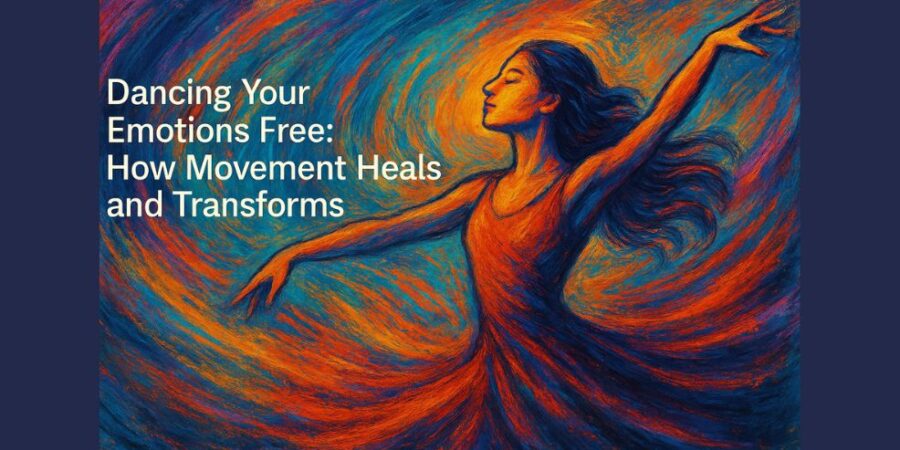
Dancing Your Emotions Free: How Movement Heals and Transforms
Dancing is more than just a series of steps to music – it’s a powerful form of emotional expression and release. From the exuberant stomp of a joyful jig to the gentle sway of a meditative movement, dance allows us to tap into feelings that words often cannot capture. Many people are discovering that through various forms of dance, they can release pent-up emotions, alleviate stress, and even find healing from past traumas. This article explores how dancing facilitates emotional release, the benefits it offers for mind and body, potential limitations, and how both individual and group dance experiences (like those on Emotions Market’s Dance and Dramatherapy category) can enhance emotional well-being. Whether you’re an experienced dancer or someone with “two left feet,” understanding the emotional power of dance might inspire you to put on some music and move in whatever way feels right.
Types of Emotional Release Through Dancing
Different styles and approaches to dance can trigger different kinds of emotional release. Here are several ways dance helps us let go of emotions and why each is unique:
- Cathartic Movement: Ever felt so angry or sad that you just wanted to move to let it out? High-energy, cathartic dancing can act as an emotional pressure valve. Jumping, stomping, or shaking your body to intense music can expel frustration, anger, or grief in a safe physical way. The burst of movement serves as a catharsis – after dancing it out, people often report feeling a sense of relief or “lightness,” as if a weight has been lifted. For example, pounding the floor in a freestyle dance when you’re upset can help convert that inner tension into sweat and motion, leaving you calmer and clearer afterward.
- Expressive Dance: This is the kind of dancing where there are no rules or right moves – you let your body interpret your feelings on the spot. Expressive dance might look like swaying when you feel melancholy, or twirling with excitement when you’re happy. The goal is to let your body speak for your emotions. In doing so, you might discover feelings you didn’t realize you were holding. This form of movement is common in dance therapy sessions, where participants might be prompted to “dance your sadness” or “show joy with your arms.” By translating feelings into motion, expressive dance provides a creative emotional outlet and can lead to insights about what’s going on inside you.
- Meditative Movement: Not all dance is fast-paced; some is slow, gentle, and deeply mindful. Meditative dance involves repetitive, soothing motions or improvised movement done with a calm mindset. Think of practices like slow dancing with eyes closed, tai chi set to music, or trance-like swaying – these can induce a meditative state. The dancer focuses on the sensation of moving and breathing, which quiets the mind. Emotions are released more subtly here; stress and anxiety drip away with each graceful motion. People often use meditative dance to release daily worries, finding it as calming as a sitting meditation. One example is a “trance dance” with a blindfold on, where participants slowly move to rhythmic music – without sight, they turn inward and often report a profound emotional calm or even visions that help them process feelings.
- Ecstatic Dance: Ecstatic dance is all about losing yourself in the rhythm and moving freely until you reach a state of euphoria or deep emotional release. Usually done in a group setting, it involves music that gradually increases in intensity, encouraging dancers to let go of inhibitions. There are no choreography or partner requirements – you dance as the music inspires you. Many describe ecstatic dance sessions as therapeutic because they can laugh, cry, shout, or simply move however they need to, supported by the collective energy of others doing the same. This freeform, sometimes wild dancing can lead to a breakthrough: emotions that have been “stuck” inside might surface and be released, leaving the dancer with a sense of freedom and joy. It’s not uncommon to see someone in an ecstatic dance event go from stillness to vigorous jumping to eventually resting in tears or laughter – a journey of emotional release in one session.
- Somatic Release: The term somatic refers to the body, and somatic release through dance focuses on freeing emotions that are stored physically. This concept comes from the understanding that our bodies often hold onto stress or trauma – perhaps as tight muscles, a clenched posture, or unexplained fatigue. Somatic dance practices encourage you to pay attention to those physical sensations and let your body move in ways that unlock them. For instance, you might suddenly feel like swinging your arms or writhing your torso while dancing – this could be your body’s way of releasing a memory or emotion lodged in that area. Dance movement therapists often guide clients through somatic exercises: maybe shaking the limbs to shake off stress (similar to how animals shake after a scare), or doing movements that stretch and open areas of tension. As the body releases its knots, emotions tied to those physical spots can surface and dissolve. People have reported spontaneous crying or laughing during somatic-focused dance sessions, which is a sign of long-held feelings finally finding a way out.
Each of these forms – cathartic, expressive, meditative, ecstatic, and somatic – demonstrates that dance isn’t one-size-fits-all when it comes to emotional release. You might resonate with one type more than others, or find that different days call for different dance approaches. The beauty is that dance is versatile: it can be fierce or gentle, structured or improvised, introspective or communal. In all cases, it offers a non-verbal path to process emotions. Whether you’re consciously doing a therapeutic form of dance or just letting loose in your living room to your favorite song after a hard day, you are harnessing movement to feel better.
Emotional, Psychological, and Physical Benefits of Dancing
Using dance as a means of emotional release doesn’t just free up feelings in the moment – it can lead to a host of benefits for your emotional health, mind, and body. Here are some key benefits of dancing for emotional well-being:
- Emotional Well-Being: Dancing often results in an immediate mood boost. Ever notice how dancing, even if you were dragged into it, leaves you smiling by the end of a song? Moving to music triggers the release of endorphins – natural feel-good chemicals in the brain – which can help alleviate feelings of sadness or stress. Over time, regularly using dance to vent your feelings can reduce emotional tension. It’s like giving yourself an emotional “reset” button. Dance can also increase self-esteem and confidence; as you master new moves or simply gain comfort in your own skin, you start trusting yourself more. This increased confidence can spill over into daily life, helping you handle emotions with more balance. Additionally, dance frequently connects to joy and playfulness, which adults often don’t get enough of – dancing invites your inner child out, fostering a sense of happiness and freedom.
- Psychological and Mental Health: From a mental health perspective, dancing can be a powerful stress-reliever and a natural antidepressant. The concentration and presence that dancing requires can take your mind off worries – it’s hard to ruminate on work problems or tomorrow’s tasks when you’re focused on keeping rhythm or improvising your next step. This makes dance a great mindfulness exercise, keeping you grounded “in the now.” Over time, people who dance regularly often report reduced anxiety and depression levels. In fact, dance movement therapy is used in some clinical settings to help with conditions like PTSD, anxiety, and mood disorders. The psychological benefits also come from self-expression – being able to “say” with your body what you can’t with words can be incredibly validating. It’s a form of telling your story or releasing your pain without having to articulate it verbally. That process can improve mental clarity and emotional integration (you begin to understand and accept your feelings better). There’s even a social psychology benefit: dancing with others builds a sense of community and belonging, which is protective for mental health. Feeling connected to a group through a shared activity can combat loneliness and create a support system.
- Physical Health: Let’s not forget – dance is movement, and movement is great for the body. Unlike forcing yourself to run on a treadmill, dancing often doesn’t feel like exercise because it’s so fun, but you reap similar benefits. Regular dancing improves cardiovascular health (it gets your heart pumping), increases flexibility and balance, and strengthens muscles (think of the leg and core strength from holding a pose or lifting a partner). When your body feels healthier and stronger, your overall stress levels drop. Physical tension and emotional tension are linked; by loosening up the body, you often loosen up the mind. For example, if you carry stress in your shoulders and then spend an hour dancing and moving those shoulders freely, you might release the tightness there and literally feel “the weight off your shoulders.” Also, the physical exertion of dance can lead to better sleep at night, and we all know a good night’s sleep is key to emotional stability. Finally, engaging in dance can boost your energy levels and combat fatigue – it sounds paradoxical, but expending energy through movement often results in more energy and vitality in daily life. All these physical improvements create a positive feedback loop: when you feel strong and energetic, you’re more resilient to stress and negative emotions.
In summary, dancing for emotional release benefits the whole person. Emotionally, it provides joy and relief; psychologically, it offers stress reduction, expression, and social connection; physically, it enhances fitness and relaxation. It’s a holistic activity – mind, body, and soul all get a workout and a healing dose at the same time. That’s why many people find dance to be a cornerstone of their self-care routine or therapeutic journey.
Potential Drawbacks and Limitations of Dance as Emotional Release
While dancing is a wonderful tool for many, it’s important to acknowledge that it’s not a magical cure-all. Like any method of emotional release or therapy, dance has its limitations and might not suit everyone in every situation. Here are some potential drawbacks or considerations when using dance as a form of emotional release:
- Comfort Level and Inhibitions: Not everyone feels comfortable dancing, especially in front of others. Deep emotional release through dance often requires letting go of self-consciousness. For someone who is very shy or has anxiety about their body image or movement, the idea of dancing can itself cause stress. If you feel extremely awkward or worried about being judged, it may be hard to truly let loose and gain the emotional benefits of dancing. It can take time (and a very safe, supportive environment) to overcome these inhibitions. Therefore, for some individuals, other forms of emotional release might feel more accessible until they build confidence to try dancing.
- Emotional Overwhelm or Triggering: Dance, especially forms that encourage deep expression, can sometimes bring up intense emotions or traumatic memories. This is usually positive when it leads to release, but it can be overwhelming if someone isn’t prepared. For example, a survivor of trauma might participate in a movement exercise and unexpectedly feel panic or flashbacks as their body remembers an event. If there isn’t proper guidance or support, the person might feel worse rather than better in that moment. Dance therapists are trained to handle these situations, but in a casual setting, one might not have that support. It’s important to approach emotional dance practices gently, and perhaps with professional guidance, if you know you have a lot of buried pain.
- Physical Limitations and Injury Risk: Dancing can be adapted for most bodies, but not every form of dance is suitable for every individual’s physical condition. Someone with knee problems might find a high-impact dance class too painful, or a person with balance issues might feel unsafe doing fast turns. If a person pushes themselves too hard physically in the name of emotional release, they could get injured. Even something as simple as dancing vigorously without warming up can lead to muscle pulls. Physical pain or injury would obviously counteract the emotional benefits and add frustration. It’s crucial to choose a dance style that fits your body’s abilities and to listen to your body’s signals. Emotional release can still happen with gentle movements; you don’t have to do athletic feats. Also, if one has a disability or chronic illness, they might feel excluded from typical dance activities – though adaptive dance programs do exist. The bottom line is safety first: emotional release won’t happen if you’re worrying about hurting yourself, so modifications may be necessary.
- Not a Substitute for Professional Help: While dance can be therapeutic, it isn’t a formal therapy for serious mental health conditions unless facilitated by a licensed professional (like a registered dance movement therapist). If someone is dealing with severe depression, debilitating anxiety, or unprocessed trauma, dance can be a valuable complementary approach but probably shouldn’t be the only approach. In some cases, a person might use dance to avoid facing their problems directly – it might feel so good in the moment that it becomes an escape. But without addressing core issues (perhaps through talk therapy or other interventions), the relief might be temporary. It’s important to recognize when additional help is needed. Dance works best for emotional release when it’s part of a broader self-care or therapy plan, not the sole solution to deep psychological challenges.
- Cultural and Personal Differences: People have diverse backgrounds and comfort zones. For some, dancing is a natural part of life (maybe they grew up with it, or it’s embedded in their culture’s celebrations and rituals), whereas for others, it’s foreign or even frowned upon. Personal beliefs or cultural norms might label dancing – especially free expressive dancing – as inappropriate, frivolous, or scary. If someone has internalized the idea that dancing is “not for them” or is embarrassed by it, they may not benefit from it emotionally because they can’t engage sincerely. Additionally, certain types of dance (like very sensual or close partner dancing) may not align with someone’s values or comfort, thus not providing the intended emotional release and instead creating tension. It’s important for each person to find a mode of movement that feels right for them. That might mean dancing privately at home instead of in a group, or choosing a form of movement that aligns with their cultural background or personal taste (maybe yoga or martial-arts-inspired dance feels better for one individual than ballroom or freestyle).
By considering these limitations, we can approach dance as an emotional outlet more realistically and safely. Most of these drawbacks have workarounds – for instance, finding a supportive, nonjudgmental environment can help with shyness; consulting with a therapist can help integrate dance into trauma healing safely; choosing a gentle dance style can prevent injury. The key is to be mindful of your needs and responses. If dancing isn’t providing relief or is making you feel worse at any point, it’s okay to pause and seek guidance or try a different method. When used appropriately, dance is overwhelmingly positive, but it should always be approached with self-care in mind.
How Dancing Influences Our Emotions
Why exactly does dancing have such a profound effect on how we feel? The connection between movement and mood isn’t just anecdotal – there are clear reasons, rooted in our biology and psychology, why dance can shift emotional states. Understanding these can deepen our appreciation of dance as a form of therapy:
Body-Mind Connection: Our emotions are closely tied to our body. When we experience stress or joy, our bodies respond (think of a clenched jaw when angry or light footsteps when happy). Conversely, by changing how the body moves, we can change how we feel inside. Dancing takes advantage of this body-mind loop. If you adopt a powerful, open posture in dance (say, throwing your arms out wide and lifting your chest), you might start to feel more confident or open-hearted simply from the physiology of that stance. If you curl up and sway gently, you might evoke feelings of safety or introspection. In short, moving the body sends signals to the brain that can alter your emotional state. It’s similar to the idea that forcing a smile can actually make you feel a little happier – doing a “happy dance” can spark actual happiness after a while.
Neurochemical Boost: Dancing engages multiple parts of the brain and triggers the release of certain neurotransmitters and hormones that influence mood. For one, as mentioned earlier, physical activity releases endorphins, which naturally reduce pain and induce pleasure – a dancer’s natural high. Music, which almost always accompanies dance, also activates the brain’s reward circuits. An upbeat rhythm or a song you love can increase dopamine levels, giving you a sense of motivation and enjoyment. If you’re dancing with a partner or group, and especially if there’s any synchronized movement or friendly touch (like holding hands in a circle dance or a supportive pat on the back after a routine), your body might release oxytocin – often nicknamed the “cuddle hormone” or “bonding hormone” because it promotes connection and trust. Oxytocin can counteract feelings of loneliness and increase a sense of social safety. Together, this cocktail of endorphins, dopamine, and oxytocin (plus reduced cortisol, the stress hormone, which tends to drop during pleasurable exercise) can dramatically lift your mood and reduce anxiety. In essence, dancing can chemically transform a stressed, anxious state into a more relaxed, happy one.
Engaging the Senses and the Present Moment: Dancing often immerses you in a full sensory experience – you’re hearing the music, feeling the floor under your feet, sensing the movement of air as you spin, maybe seeing colorful lights or fellow dancers around you. This sensory engagement is significant because it pulls you into the present moment. When you are fully present, your mind has less room to dwell on regrets of the past or worries about the future, which are the fodder for many negative emotions. This state of present-moment immersion is sometimes called “flow.” In dance, achieving a flow state – where you lose track of time and are completely absorbed in the movement – is quite common, especially when you love the music or choreography. Being in flow is not only pleasurable, but it’s also linked to increased happiness and resilience. After a good dance session, people often describe a lingering sense of harmony and contentment, partly because for that time they were free from mental chatter.
Expression and Externalization: Emotions that stay bottled up can stew and grow stronger. Dancing provides a way to externalize what’s inside. When you have an outlet, the emotions don’t bounce around endlessly in your head; they have somewhere to go. For example, suppose you’re feeling a lot of frustration. If you just sit with it, you might start mentally spiraling. But if you channel that frustration into a fierce dance – maybe your feet stomp out a beat that matches how annoyed you feel – you are giving the feeling a physical form and release. Often, this externalization means the emotion doesn’t feel as overwhelming afterward. It’s as if you’ve communicated your anger through movement, so you don’t need the anger to keep signaling you internally. In psychological terms, you’re processing the emotion. Over time, regularly processing feelings through dance can lead to improved emotional regulation – you get more skilled at recognizing, expressing, and moving through feelings rather than getting stuck in them.
Social and Cultural Energy: There’s a reason humans have danced together in groups for millennia – it creates a powerful emotional atmosphere. When you dance with others, your brain picks up on the collective energy. If everyone around you is joyfully jumping and laughing, it’s contagious – you start to feel joy too. This is partly due to mirror neurons in the brain, which make us empathize and synchronize with others’ movements and emotions. Group dance can generate a sense of belonging and shared emotion that amplifies the positive feelings of the activity. Even in solemn dances (imagine a group performing a slow, commemorative dance for a loss), the shared movement can provide a sense of communal support and understanding that deeply influences each participant’s emotional state. Culturally, dances often carry meaning – perhaps a dance is traditionally used to celebrate a harvest, to pray, or to tell a story. When you partake in such a dance, you feel part of something bigger than yourself, which can be profoundly moving and uplifting. In modern contexts, think of a rave or a flash mob or even a Zumba class – moving in unison or simply side-by-side with others creates a bonding experience. That connection and the “we’re in this together” feeling can improve mood and reduce feelings of isolation.
In summary, dancing influences our emotions on multiple levels: biologically (through brain chemistry), psychologically (through expression and focus), and socially (through connection and shared experience). It’s a full-brain, full-body emotional intervention. This explains why sometimes after dancing, you might feel completely different – lighter, happier, more “yourself” – than you did before. Dance essentially speaks the language of our emotions, which is why it can communicate and alter feelings so effectively.
Individual vs. Group Dance Experiences for Emotional Well-Being
Dance is a personal experience, but it can be enjoyed alone or with others, and each setting offers its own kind of emotional nourishment. Individual and group dance experiences both have unique benefits when it comes to emotional release and well-being. Understanding these can help you choose what kind of experience you might want to try (or you might enjoy both for different reasons!).
Dancing Solo (Individual Experiences): There is something deeply personal about dancing by yourself. When alone, you have complete freedom – you can move however you want without worrying about how you look or coordinating with anyone else. This can lead to a very authentic emotional expression. In private, people often feel safer to let emotions surface. You might burst into tears or laughter mid-dance, and that’s okay – there’s no need to hold back. Individual dance experiences can be as simple as shutting your bedroom door, putting on a song that matches your mood, and seeing where your body wants to go. Some people use this as a daily emotional check-in or release, almost like journaling with movement. On a more structured side, individual dance therapy sessions exist too. For example, Emotions Market features one-on-one experiences like Dance Movement Psychotherapy (DMP) sessions, where a trained therapist guides you through movements tailored to your emotional needs. In such a setting, even though someone else (the therapist) is present, the focus is on your personal journey. The confidentiality and focused attention of one-on-one dance therapy can help you dig deeper into emotional issues like trauma or grief, at your own pace. Additionally, individual experiences could include things like hiring a private dance facilitator or even a “taxi dancer” (a partner you can hire to dance with you) just for you. These offerings provide companionship and a safe, controlled space to explore emotions through dance without the dynamics of a full class or group. The emotional benefit of dancing solo or with a dedicated partner is often described as introspective and empowering – it’s just you and the music (and maybe a guide), working through whatever you need to, without distraction.
Dancing in Groups (Collective Experiences): On the other hand, group dance experiences bring the power of community into the mix. When you join a group – be it a class, a workshop, or an impromptu dance circle at an event – you’re tapping into shared energy. Group dancing can make emotional release feel amplifed; the music feels louder, the movements bigger, and the emotions often more pronounced because everyone is contributing. One major benefit is the sense of shared understanding and support. For instance, in a group dance therapy workshop, you might find that others are expressing struggles similar to yours through their movement, which can be validating and reduce the feeling of being alone in your experiences. Group settings are also fantastic for emotions like joy, excitement, and even silliness – it’s easier to laugh and be playful when others are doing it with you. A fun dance class (think something like a “Sensual Twerkshop” for self-love or a lively salsa night) can make you giddy with happiness and confidence, partly because everyone is encouraging each other. There’s often a camaraderie that develops among people who dance together, even if they’re strangers at first. This social bonding can greatly uplift one’s mood and provide a support network. Dancing in a group also encourages communication and trust – if it’s partner dancing, you learn to trust and connect with your partner; if it’s a group routine, you learn to synchronize and cooperate. These experiences can translate to emotional benefits like improved trust in others and better social skills. Finally, group dances often end with group discussions or sharing (especially in conscious dance or therapy contexts), where participants reflect together. Hearing others put words to what the dance made them feel can help you make sense of your own emotions. The takeaway from group dancing is often a profound sense of belonging and collective release – you released your emotions, and you felt the group release theirs, and there’s a beautiful empathy in that.
Many people find value in both individual and group dance experiences, as they serve different purposes. You might dance alone to go inwards and process personal feelings, and dance with others when you crave connection or a bigger burst of positive energy. Platforms like Emotions Market recognize this dual need by offering experiences for individuals (private sessions, one-on-one engagements) and for groups (classes, events, workshops). Both pathways ultimately lead to improved emotional well-being, just via different routes – one more self-reflective, the other more communal. Depending on your mood and personality, you might gravitate to one or the other, and that’s perfectly okay. The key is that you have options to incorporate dance into your life in the way that feels most healing for you at any given time.
Real-World Applications: Emotions Market Dance & Dramatherapy Experiences
To see how all these ideas come to life, let’s look at some real-world dance experiences offered in the Emotions Market’s “Dance and Dramatherapy” category. These examples show the variety of ways dance can be used to help people release emotions and improve their well-being:
- Blindfolded Contact Dance: This unique experience involves dancing with a blindfold on alongside a partner or group. By removing sight, participants tune into touch, balance, and trust. The blindfold encourages you to drop self-consciousness (“no one can see me, and I can’t see them”) and focus inward. Emotional release happens as you surrender to being gently guided or finding your way in the dark through movement. Many report that without visual distraction, they feel their emotions and the music more intensely. It can be a gentle, somatic experience – maybe you notice where you hold tension when you can’t rely on sight, and then you learn to release it. Contact dance (where dancers might maintain a point of contact, like holding hands or touching back-to-back) adds a layer of connection and trust. Emotionally, this can help release feelings related to trust or intimacy issues, or simply provide the comfort of human touch in a safe environment. Emotions Market’s blindfolded dance offering demonstrates how a carefully designed setting can foster profound emotional openness and letting go.
- Tantric Trance Dance (Blindfolded Active Meditation): Another offering goes in a more spiritual direction. In a Tantric Trance Dance session, participants often wear blindfolds and move to rhythmic, hypnotic music in what’s described as an active meditation and shamanic journey. This is a meditative form of dance where the aim is to enter a trance state – a deeply relaxed yet heightened awareness condition. The word “Tantric” here refers to weaving together movement, breath, and sometimes intention-setting in a ritual-like format. People who attend these sessions might be looking to release emotional or even spiritual blocks. The dance usually starts slow, with guided breathing, and gradually becomes more intense as drums or tribal beats kick in, encouraging a full-body release. Because it’s like a ritual, participants often report experiencing emotional breakthroughs – perhaps visions of letting go of past pain, or the courage to forgive someone, arising during the dance. The shamanic elements (like guided imagery or breathwork) can help access subconscious emotions. This is a great example of how dance can be combined with meditative practice to facilitate emotional release; it shows that dance isn’t just about joy or anger release, but can even be a form of inner healing journey. After such a session, it’s common for people to feel not only emotionally lighter but also mentally clearer and spiritually uplifted.
- “Self-Love” Sensual Dance Workshop: Emotions Market also features more light-hearted yet empowering experiences, like a sensual dance workshop aimed at self-love and body positivity. For instance, an event titled along the lines of “Self Love Saturdays: Sensual RnB and Afro Beats Twerkshop” invites participants (often a group of women, as the term “Galentines” suggests a girlfriends gathering) to explore sexy, fun dance moves in a supportive environment. Now, one might ask, how does twerking or sensual dancing help with emotional release? The answer lies in expression and confidence. Many people have insecurities about their bodies or have been taught to suppress their sensual side. In a guided sensual dance class, participants get permission to embrace their body, shake their hips, and feel attractive and free. This can release emotions related to shame or self-criticism and replace them with feelings of empowerment and joy. It’s a playful atmosphere – laughter and cheers are common – which helps release stress and generates positive emotions. The group aspect creates a sisterhood vibe: everyone is encouraging each other to “own it” without judgment. By the end, dancers often report feeling a surge of love for themselves and camaraderie with others. They might have let go of body-image anxieties or emotional baggage tied to self-worth, simply by dancing unapologetically. Such an experience shows that emotional release doesn’t always have to be heavy or tearful; it can also be about celebrating yourself and releasing negative self-image emotions through fun and dance.
- Dance Movement Psychotherapy Session: On the more clinical end, Emotions Market offers sessions with titles like Dance Movement Psychotherapy (DMP) – these are typically one-on-one or small group experiences led by a certified dance therapist. In a DMP session, the “experience” is tailored to therapeutic goals such as healing from trauma, coping with loss, or managing stress. What makes it an experience on Emotions Market is that independent therapists or practitioners list their services for those seeking alternative therapy avenues. A DMP session might involve the therapist guiding the client through movements that represent certain feelings or using props, music, and creative prompts to help the client express themselves. Because it’s psychotherapy, there’s often reflection and discussion interwoven with the movement. The real-world impact of this kind of dance experience is significant: people have used DMP to process emotions that felt too difficult to face in talk therapy. For example, someone struggling with grief might find it easier to express “carrying the weight of loss” by actually moving as if carrying a weight, and then gradually setting it down – a physical metaphor that can trigger an emotional release like crying and ultimately acceptance. These sessions highlight how dance directly influences emotional healing; improvements might include reduced symptoms of anxiety or depression, greater emotional insight, and improved mind-body connection. The presence of a compassionate therapist ensures safety, so the participant can let go fully, knowing they will be supported if something becomes challenging. Emotions Market making these experiences accessible means more people can try dance therapy as a complement or alternative to traditional therapy, potentially improving their quality of life through movement.
- “I’ll Be Your Taxi Dancer” (Hire a Dance Partner): A rather charming offering in the dance category is the option to hire a “taxi dancer” for a few hours. In classic terms, a taxi dancer is someone you can pay to be your dance partner – historically seen in dance halls so that everyone, even those without a partner, could enjoy dancing. On Emotions Market, this idea is repurposed as an emotional experience. Imagine you don’t have someone to go dancing with, or you feel a bit self-conscious dancing socially alone; hiring a friendly, professional dance partner can break that barrier. The emotional release here comes from companionship and acceptance. You get to experience the joy of dancing with a partner who is attentive and focused on making you comfortable. If you have anxiety about social dancing or physical contact, this one-on-one scenario can be a therapeutic stepping stone. It might also simply satisfy the human need for connection – dancing cheek-to-cheek or even just grooving together can be surprisingly heartfelt when the person is there just for you. People who try this experience might be looking to boost their confidence, feel desirable or seen, or just have fun without worry. During the session, you might talk, laugh, and move freely, and any pent-up feelings of loneliness or shyness can melt away. It exemplifies that emotional well-being can be improved in creative ways: sometimes hiring a dance partner for an evening can uplift your spirits as much as a formal therapy session, especially if what you’re craving is human connection and the simple happiness of dancing.
These examples from Emotions Market’s platform show how dance-centric experiences are being used in practice to help individuals cope, heal, and thrive emotionally. They range from the deeply therapeutic (like DMP sessions) to the adventurous and playful (like blindfold dances or twerkshops). What they all have in common is a focus on feelings – each experience is designed to evoke, express, or release certain emotions in a guided, safe manner. Whether it’s trust, joy, self-love, catharsis, or connection that one seeks, there seems to be a dance for that. This real-world application underscores the article’s core message: dancing is a versatile and effective tool for emotional well-being.
Conclusion
In the realm of alternative therapies and self-care practices, dancing shines as a joyful, creative, and profoundly effective method for emotional release. We’ve seen how various styles of dance – from wild ecstatic movements to quiet, meditative sways – can help us process feelings that might otherwise stay stuck within. The emotional, psychological, and physical benefits of dance make it a holistic healer: it lifts our mood, calms our minds, strengthens our bodies, and even brings us closer to others. While dance isn’t a one-stop solution for every problem, it’s a powerful complementary approach that can transform how we carry stress and emotions in our lives. By acknowledging a few limitations and approaching it in a way that suits our personal comfort (solo or with others, gentle or intense), we can make dance a safe space for our hearts.
Emotions Market’s range of dance and dramatherapy experiences vividly illustrates that people are embracing movement as medicine. From the safety of a one-on-one therapy session to the collective high of a group workshop, there are so many ways to “dance it out.” These experiences show that emotional release doesn’t have to be a stiff or purely verbal process – it can be playful, sensory, and even fun. Life will always bring ups and downs, but having an outlet like dance means we have a way to celebrate the highs and release the lows. Next time you find yourself overwhelmed by feeling – be it anger, sadness, or even joy that you don’t know what to do with – consider turning on a song and letting your body lead. You might be surprised by how much lighter and more balanced you feel afterward. In the dance of life, sometimes the best thing we can do is literally dance through it – freeing our emotions one step, twirl, or shimmy at a time.

Leave a Reply