
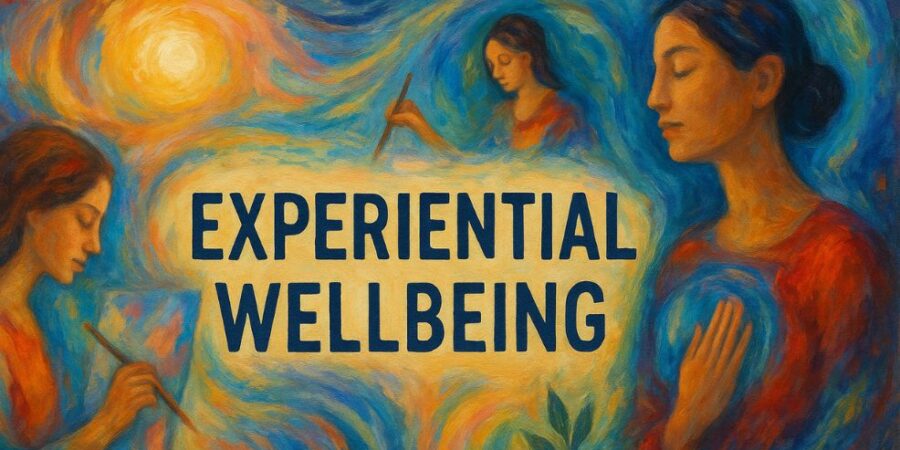
In our fast-paced, digitally dominated world, the quest for authentic happiness and emotional fulfilment has evolved significantly. Experiential wellbeing has emerged as an essential pathway toward holistic happiness, going beyond traditional notions of comfort, material possessions, or financial success. Experiential wellbeing centers around deeply meaningful, emotionally resonant experiences that contribute significantly to an individual’s overall emotional health and satisfaction with life.
Understanding Experiential Wellbeing
Experiential wellbeing involves consciously pursuing experiences designed to enhance emotional health, self-awareness, and personal growth. Unlike material wellbeing, which hinges on the accumulation of objects or financial security, experiential wellbeing is rooted in meaningful engagements and emotional resonance. These experiences vary broadly, from adventurous activities to therapeutic sessions, each uniquely impacting emotional states and overall mental health.
Types of Experiential Wellbeing
- Therapeutic Experiences: Therapeutic experiences, such as counselling, psychotherapy, and emotional release therapies, are fundamental components of experiential wellbeing. They enable individuals to explore deep-seated emotions, traumas, or stressors, fostering emotional clarity and resilience. Experiences like Trauma Releasing Exercises (TRE), Emotional Anatomy Therapy, and vegetotherapy provide structured environments for emotional exploration and healing.
- Sensory Experiences: Sensory-based activities, such as sound therapy, sensory deprivation tanks, aromatherapy, or blindfolded tactile experiences, enhance emotional awareness and mindfulness. Engaging the senses profoundly affects emotional states, reducing anxiety, alleviating stress, and promoting relaxation. For instance, music frequencies like 432Hz can evoke tranquility, while sensory deprivation helps mitigate sensory anxieties.
- Nature-Based Experiences: Nature-centric experiential wellbeing includes outdoor adventures, forest bathing, eco-therapy, and animal-assisted therapy. Connecting with nature significantly reduces stress hormones, boosts emotional resilience, and enhances mood. Nature-based experiences restore mental energy, reduce emotional fatigue, and help individuals reconnect deeply with themselves and their surroundings.
- Social and Community Experiences: Experiences emphasizing community engagement, social interaction, and collective emotional experiences are vital to experiential wellbeing. Social bonding through shared activities, volunteering, group therapy, or cultural events fosters a sense of belonging, improves emotional security, and combats loneliness. Positive social interactions can substantially elevate mood and emotional stability.
- Creative and Artistic Experiences: Creative outlets, such as painting, sculpture, writing workshops, drama therapy, or improvisational activities, encourage self-expression, emotional articulation, and self-discovery. Artistic activities allow individuals to externalize inner emotional landscapes, facilitating emotional clarity, reducing stress, and promoting emotional healing.
Benefits of Experiential Wellbeing
- Enhanced Emotional Awareness: Experiential wellbeing activities foster greater emotional self-awareness and mindfulness. By consciously engaging with diverse emotional experiences, individuals become adept at identifying, understanding, and managing their emotional states, leading to enhanced emotional intelligence and stability.
- Stress Reduction and Resilience: Experiential wellbeing practices such as sensory therapies, nature immersion, and creative expression significantly reduce stress and anxiety. Regular participation enhances emotional resilience, equipping individuals to better manage stressors and recover more swiftly from emotional setbacks.
- Improved Mental Health: Meaningful experiences directly enhance mental health by reducing symptoms of depression, anxiety, and emotional exhaustion. Therapeutic and emotionally resonant experiences can catalyze profound emotional release, facilitating healing and psychological recovery.
- Increased Life Satisfaction: Pursuing experiential wellbeing often leads to a deeper sense of life satisfaction and fulfillment. Meaningful, emotionally rewarding experiences leave lasting positive impressions, which cumulatively build a robust emotional foundation, enhancing overall happiness and satisfaction with life.
- Enhanced Relationships: Social and communal experiences significantly strengthen interpersonal bonds, fostering empathy, understanding, and emotional intimacy. Shared experiential activities build stronger emotional connections, reinforcing supportive social networks crucial for emotional wellbeing.
Potential Drawbacks of Experiential Wellbeing
- Emotional Vulnerability: Experiential wellbeing practices often involve delving into deeply personal and sometimes challenging emotional territories. Without adequate support, individuals might feel overwhelmed or emotionally exposed, leading to discomfort or distress rather than healing.
- Inconsistency and Impermanence: Experiential wellbeing activities, while powerful, may offer transient benefits if not regularly integrated into one’s lifestyle. Sporadic experiences may lead to fleeting emotional boosts, potentially leaving individuals seeking repeated stimuli to maintain emotional satisfaction.
- Cost and Accessibility: Certain experiential wellbeing activities, particularly therapeutic or specialized sensory experiences, might be financially inaccessible to some individuals. Cost can limit regular participation, creating disparities in access to emotional wellbeing resources and potential frustration.
- Dependency on External Stimuli: Overreliance on external experiences for emotional wellbeing might hinder personal development of internal coping mechanisms. If emotional stability relies heavily on specific experiences, individuals may struggle to maintain emotional health independently when these experiences are unavailable.
How Experiential Wellbeing Affects Emotions
Experiential wellbeing profoundly shapes emotional health by actively engaging individuals with experiences designed to evoke, explore, or resolve emotional states. These experiences provide structured avenues for emotional exploration, significantly influencing emotional intelligence and awareness. By promoting emotional openness and vulnerability in supportive environments, experiential wellbeing encourages individuals to confront emotional blockages and achieve emotional clarity.
Furthermore, experiential wellbeing fosters positive emotional regulation, equipping individuals with practical tools for emotional management and stress reduction. Activities such as emotional detoxification, spank therapy, or sensory treatments are specifically designed to release emotional tensions, clear emotional stagnation, and foster healthier emotional responses.
Improving Emotional State Through Experiential Wellbeing
Integrating experiential wellbeing into daily life dramatically enhances emotional states and overall psychological wellbeing. Regular participation in experiential activities helps individuals build emotional resilience, improving their ability to handle life’s challenges gracefully. Emotionally resonant experiences also stimulate positive neurochemical changes, increasing serotonin, dopamine, and oxytocin levels—critical hormones linked to happiness, emotional bonding, and emotional stability.
Through intentional engagement with experiential wellbeing practices, individuals cultivate greater emotional balance, reducing vulnerability to emotional disturbances and enhancing their ability to experience sustained happiness and emotional satisfaction.
Conclusion
Experiential wellbeing offers a transformative approach to emotional health, emphasizing meaningful experiences as powerful tools for emotional growth and psychological resilience. By consciously engaging in diverse experiential practices—from therapeutic and sensory experiences to nature immersion, social connection, and creative expression—individuals can achieve substantial improvements in emotional wellbeing, resilience, and life satisfaction. Despite potential challenges such as emotional vulnerability and accessibility, the holistic benefits make experiential wellbeing an invaluable path toward lasting emotional health and enriched living.

Leave a Reply